Side / Turkish
Gathering ingredients and inspiration.
 FROM THE PRISCY KITCHEN
SOMETHING WORTH COOKING
A little inspiration for your table. Gather your ingredients and make this recipe your next kitchen discovery.
GET EVERYTHING READY
Tick off each ingredient as you prepare.
0 of 19 ingredients ready
LET’S MAKE SOMETHING GOOD
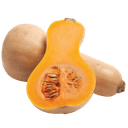
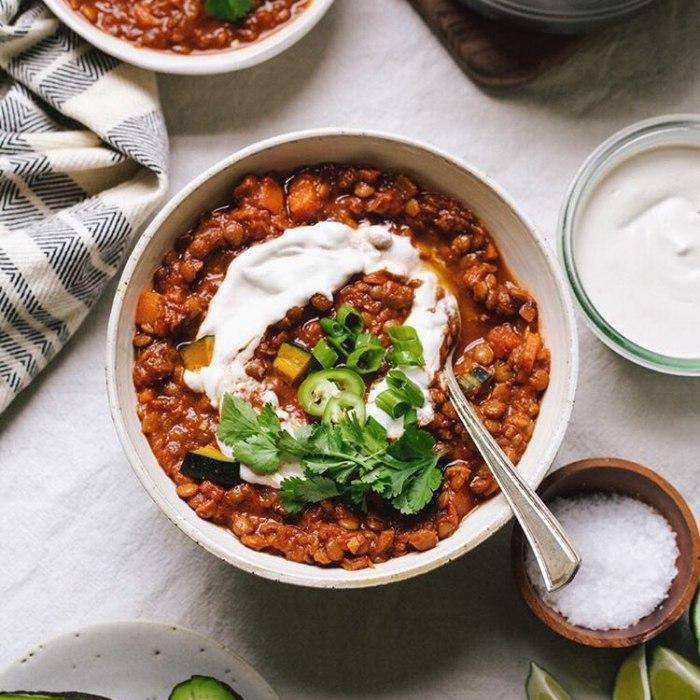
Begin by roasting the squash. Slice it into thin crescents and drizzle with a little oil and sprinkle with sea salt. I added a fresh little sage I had in the fridge, but it’s unnecessary. Roast the squash a 205 C (400 F) for 20-30 minutes, flipping halfway through, until soft and golden. Let cool and chop into cubes.
Meanwhile, rinse the lentils and cover them with water. Bring them to the boil then turn down to a simmer and let cook (uncovered) for 20-30 minutes, or until tender. Drain and set aside.
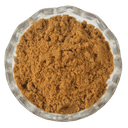
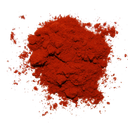
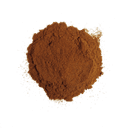
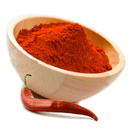
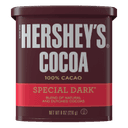
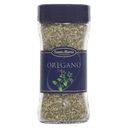
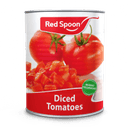
While the lentils are cooking heat the 1 Tbsp. of oil on low in a medium pot. Add the onions and leeks and sauté for 5 or so minutes, or until they begin to soften. Add the garlic next along with the cumin and coriander, cooking for a few more minutes. Add the remaining spices – paprika, cinnamon, chilli, cocoa, Worcestershire sauce, salt, and oregano. Next add the can of tomatoes, the water or stock, and carrots. Let simmer, covered, for 20 minutes or until the veg is tender and the mixture has thickened up. You’ll need to check on the pot periodically for a stir and a top of of liquid if needed.
Add the lentils and chopped roasted squash. Let cook for 10 more minutes to heat through.
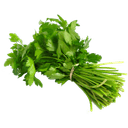
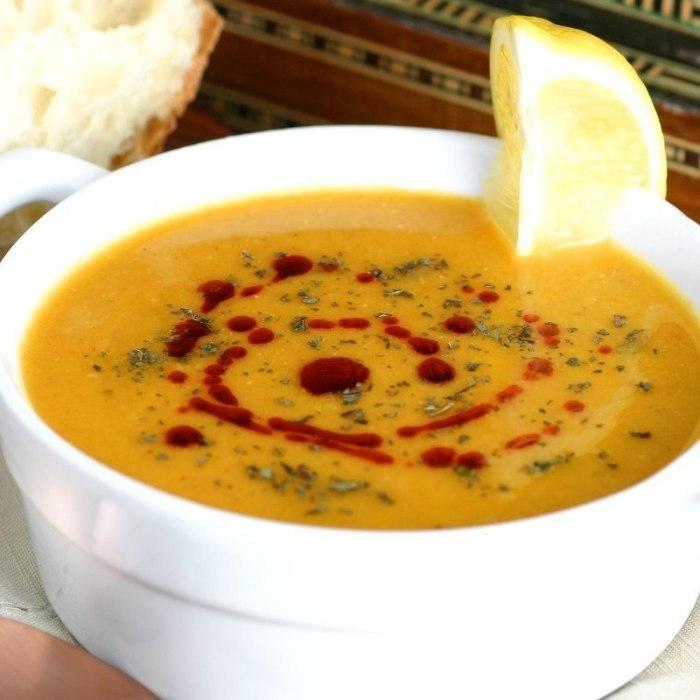
Serve with sliced jalapeno, lime wedges, cilantro, green onions, and cashew sour cream.
SIMPLE CASHEW SOUR CREAM
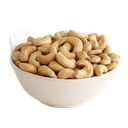
1 Cup Raw Unsalted Cashews
Pinch Sea Salt
1 tsp. Apple Cider Vinegar
Water
Bring some water to the boil, and use it to soak the cashews for at least four hours. Alternatively, you can use cold water and let the cashews soak overnight, but I’m forgetful/lazy, so often use the boil method which is much faster.
After the cashews have soaked, drain them and add to a high speed blender. Begin to puree, slowly adding about 1/2 cup fresh water, until a creamy consistency is reached. You may need to add less or more water to reach the desired consistency.
Add a pinch of sea salt and vinegar (or lemon juice).
Get to know what goes into your recipe. Select an ingredient to explore it.
A LITTLE HELP ALONG THE WAY
A CLOSER LOOK AT YOUR RECIPE
Partial recipe · included ingredients only
The source does not provide a verified serving count. The summary uses original recipe quantities before any batch multiplier, not per serving. Enter your own serving count in the full label to see per-serving amounts.
Calculated automatically from 10 of 19 ingredients. This is an incomplete subtotal, not the full recipe’s nutrition.
Standard USDA sizes assumed for Onion, Carrots. Exact portions and food assumptions are listed below.
Not included: Olive Oil, Leek, Cumin, Coriander, Dried Oregano, Diced Tomatoes, Squash, Cashews, Apple Cider Vinegar.
Estimated subtotal · included ingredients only
10 of 19 ingredients included. Excluded ingredients are not counted in the amounts or % Daily Values.
Serving count is unknown. Amounts and % Daily Values below apply to the whole original recipe’s included ingredients.
Amount per original recipe
| Amount per original recipe | % Daily Value* |
|---|---|
| Total Fat 4.6 g | 6% |
| Saturated Fat 0.8 g | 4% |
| Trans Fat Unavailable | — |
| Cholesterol 0 mg | 0% |
| Sodium 2,582.8 mg | 112% |
| Total Carbohydrate 217.9 g | 79% |
| Dietary Fiber 41.1 g | 147% |
| Total Sugars 19.8 g | — |
| Includes Added Sugars Unavailable | — |
| Protein 75.5 g | — |
| Vitamin D 0 µg | 0% |
| Calcium 255 mg | 20% |
| Iron 21 mg | 117% |
| Potassium 2,870.5 mg | 61% |
A nutrient amount is unavailable when any included ingredient lacks that source value.
* Percent Daily Values use FDA reference values for adults and children aged 4 and over, based on a 2,000 calorie diet. They apply to the amount shown above.
— means no % Daily Value is shown. Trans fat and total sugars have no established Daily Value; protein %DV is omitted because protein-quality data is unavailable. Missing nutrient amounts are not treated as zero.
Daily Value reference: FDA ↗Excluded: No unambiguous USDA portion weight matches this measure.
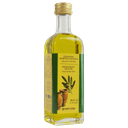
Estimate uses USDA Oil, olive, salad or cooking. Quantities refer to edible ingredient weight; brands, varieties and preparation can change the values. USDA source ↗
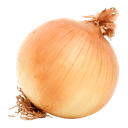
110 g edible ingredient. Standard size assumed: 1 × USDA medium (2-1/2" dia); 1 portion = 110 g.
Onions are estimated using USDA raw onions. Red and other onion varieties can differ. USDA source ↗
Excluded: No unambiguous USDA portion weight matches this measure.
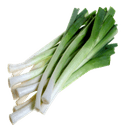
Estimate uses USDA Leeks, (bulb and lower leaf-portion), raw. Quantities refer to edible ingredient weight; brands, varieties and preparation can change the values. USDA source ↗
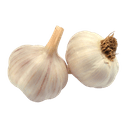
9 g edible ingredient. USDA portion: 1 clove = 3 g.
Raw peeled garlic. A bare count is not assumed to mean cloves. USDA source ↗
Excluded: No unambiguous USDA portion weight matches this measure.
Estimate uses USDA Spices, cumin seed. Quantities refer to edible ingredient weight; brands, varieties and preparation can change the values. USDA source ↗
Excluded: No quantifiable edible weight or reliable USDA food match is available.
2.3 g edible ingredient. USDA portion: 1 tsp = 2.3 g.
Estimate uses USDA Spices, paprika. Quantities refer to edible ingredient weight; brands, varieties and preparation can change the values. USDA source ↗
1.3 g edible ingredient. USDA portion: 1 tsp = 2.6 g.
Estimate uses USDA Spices, cinnamon, ground. Quantities refer to edible ingredient weight; brands, varieties and preparation can change the values. USDA source ↗
2.7 g edible ingredient. USDA portion: 1 tsp = 2.7 g.
Estimate uses USDA Spices, chili powder. Quantities refer to edible ingredient weight; brands, varieties and preparation can change the values. USDA source ↗
1.792 g edible ingredient. Converted with US volume units from USDA 1 cup = 86 g.
Estimate uses USDA Cocoa, dry powder, unsweetened. Quantities refer to edible ingredient weight; brands, varieties and preparation can change the values. USDA source ↗
Excluded: No unambiguous USDA portion weight matches this measure.
Estimate uses USDA Spices, oregano, dried. Quantities refer to edible ingredient weight; brands, varieties and preparation can change the values. USDA source ↗
Excluded: Package weight is not specified. Enter its edible weight in grams.
709.765 g edible ingredient. Converted with US volume units from USDA 1 liter = 1000 g.
Water and ice contribute no macronutrients. Unspecified ice quantity is excluded. USDA source ↗
183 g edible ingredient. Standard size assumed: 3 × USDA medium; 1 portion = 61 g.
Raw edible carrot. USDA source ↗
288 g edible ingredient. USDA portion: 1 cup = 192 g.
Lentils are treated as dry uncooked lentils. Cooked or canned lentils have different water content. USDA source ↗
6 g edible ingredient. USDA portion: 1 tsp = 6 g.
Table salt. Coarse, sea, or kosher salt can have different household weights. USDA source ↗
Excluded: No quantifiable edible weight or reliable USDA food match is available.
Excluded: No unambiguous USDA portion weight matches this measure.
Estimate uses USDA Nuts, cashew nuts, raw. Quantities refer to edible ingredient weight; brands, varieties and preparation can change the values. USDA source ↗
Excluded: No quantifiable edible weight or reliable USDA food match is available.
Values use ingredient nutrients per 100 g and food-specific USDA portion weights. Cups, tablespoons and teaspoons use US measures. Pinches, handfuls, “to taste” and unspecified package sizes are excluded. Common counted foods use the stated size or a documented standard USDA portion when a count is supplied; these assumptions are identified above. Other unspecified counts remain excluded.
Assumes included ingredients are retained. Cooking losses, drained liquids, discarded oil, alcohol evaporation and changes in water content are not modeled. Missing nutrient values are shown as unavailable, not zero.
Source: USDA FoodData Central. Data retrieved . These are automatically calculated estimates, not a laboratory analysis.
KEEP THE INSPIRATION GOING
A few more ideas from the kitchen.
Side / Turkish
Side / Croatian
Seafood / Japanese
Miscellaneous / Spanish
Side / Turkish
Vegetarian / Egyptian
PICK UP WHERE YOU LEFT OFF
Your recent discoveries will appear here as you explore.