Side / Turkish
Gathering ingredients and inspiration.
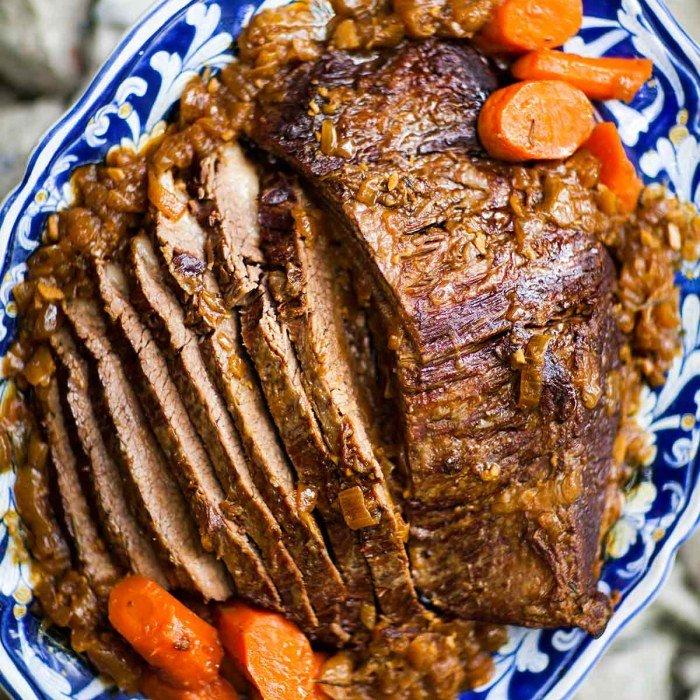 FROM THE PRISCY KITCHEN
SOMETHING WORTH COOKING
A little inspiration for your table. Gather your ingredients and make this recipe your next kitchen discovery.
GET EVERYTHING READY
Tick off each ingredient as you prepare.
0 of 11 ingredients ready
LET’S MAKE SOMETHING GOOD
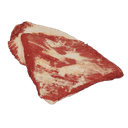
1 Prepare the brisket for cooking: On one side of the brisket there should be a layer of fat, which you want. If there are any large chunks of fat, cut them off and discard them. Large pieces of fat will not be able to render out completely.
Using a sharp knife, score the fat in parallel lines, about 3/4-inch apart. Slice through the fat, not the beef. Repeat in the opposite direction to make a cross-hatch pattern.
Salt the brisket well and let it sit at room temperature for 30 minutes.
2 Sear the brisket: You'll need an oven-proof, thick-bottomed pot with a cover, or Dutch oven, that is just wide enough to hold the brisket roast with a little room for the onions.
Pat the brisket dry and place it, fatty side down, into the pot and place it on medium high heat. Cook for 5-8 minutes, lightly sizzling, until the fat side is nicely browned. (If the roast seems to be cooking too fast, turn the heat down to medium. You want a steady sizzle, not a raging sear.)
Turn the brisket over and cook for a few minutes more to brown the other side.
3 Sauté the onions and garlic: When the brisket has browned, remove it from the pot and set aside. There should be a couple tablespoons of fat rendered in the pot, if not, add some olive oil.
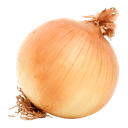
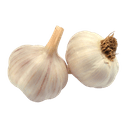
Add the chopped onions and increase the heat to high. Sprinkle a little salt on the onions. Sauté, stirring often, until the onions are lightly browned, 5-8 minutes. Stir in the garlic and cook 1-2 more minutes.
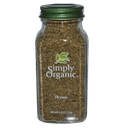
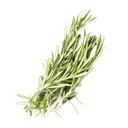
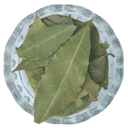
4 Return brisket to pot, add herbs, stock, bring to simmer, cover, cook in oven: Preheat the oven to 300°F. Use kitchen twine to tie together the bay leaves, rosemary and thyme.
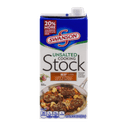
Move the onions and garlic to the sides of the pot and nestle the brisket inside. Add the beef stock and the tied-up herbs. Bring the stock to a boil on the stovetop.
Cover the pot, place the pot in the 300°F oven and cook for 3 hours. Carefully flip the brisket every hour so it cooks evenly.
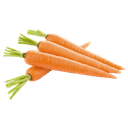
5 Add carrots, continue to cook: After 3 hours, add the carrots. Cover the pot and cook for 1 hour more, or until the carrots are cooked through and the brisket is falling-apart tender.
6 Remove brisket to cutting board, tent with foil: When the brisket is falling-apart tender, take the pot out of the oven and remove the brisket to a cutting board. Cover it with foil. Pull out and discard the herbs.
7 Make sauce (optional): At this point you have two options. You can serve as is, or you can make a sauce with the drippings and some of the onions. If you serve as is, skip this step.
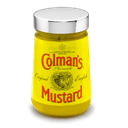
To make a sauce, remove the carrots and half of the onions, set aside and cover them with foil. Pour the ingredients that are remaining into the pot into a blender, and purée until smooth. If you want, add 1 tablespoon of mustard to the mix. Put into a small pot and keep warm.
8 Slice the meat across the grain: Notice the lines of the muscle fibers of the roast. This is the "grain" of the meat. Slice the meat perpendicular to these lines, or across the grain (cutting this way further tenderizes the meat), in 1/4-inch to 1/2-inch slices.
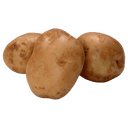
Serve with the onions, carrots and gravy. Serve with mashed, roasted or boiled potatoes, egg noodles or polenta.
Get to know what goes into your recipe. Select an ingredient to explore it.
A LITTLE HELP ALONG THE WAY
A CLOSER LOOK AT YOUR RECIPE
Partial recipe · included ingredients only
The source does not provide a verified serving count. The summary uses original recipe quantities before any batch multiplier, not per serving. Enter your own serving count in the full label to see per-serving amounts.
Calculated automatically from 4 of 11 ingredients. This is an incomplete subtotal, not the full recipe’s nutrition.
Standard USDA sizes assumed for Onion. Exact portions and food assumptions are listed below.
Not included: Beef Brisket, Salt, Thyme, Rosemary, Bay Leaves, Mustard, Potatoes.
Estimated subtotal · included ingredients only
4 of 11 ingredients included. Excluded ingredients are not counted in the amounts or % Daily Values.
Serving count is unknown. Amounts and % Daily Values below apply to the whole original recipe’s included ingredients.
Amount per original recipe
| Amount per original recipe | % Daily Value* |
|---|---|
| Total Fat 2 g | 3% |
| Saturated Fat 0.7 g | 4% |
| Trans Fat Unavailable | — |
| Cholesterol 0 mg | 0% |
| Sodium 1,950.4 mg | 85% |
| Total Carbohydrate 56.7 g | 21% |
| Dietary Fiber 12 g | 43% |
| Total Sugars 24.4 g | — |
| Includes Added Sugars Unavailable | — |
| Protein 12.1 g | — |
| Vitamin D 0 µg | 0% |
| Calcium 203.1 mg | 16% |
| Iron 2.4 mg | 13% |
| Potassium 1,492.4 mg | 32% |
A nutrient amount is unavailable when any included ingredient lacks that source value.
* Percent Daily Values use FDA reference values for adults and children aged 4 and over, based on a 2,000 calorie diet. They apply to the amount shown above.
— means no % Daily Value is shown. Trans fat and total sugars have no established Daily Value; protein %DV is omitted because protein-quality data is unavailable. Missing nutrient amounts are not treated as zero.
Daily Value reference: FDA ↗Excluded: No quantifiable edible weight or reliable USDA food match is available.
Excluded: No fixed edible weight is specified for this amount.
Table salt. Coarse, sea, or kosher salt can have different household weights. USDA source ↗
330 g edible ingredient. Standard size assumed: 3 × USDA medium (2-1/2" dia); 1 portion = 110 g.
Onions are estimated using USDA raw onions. Red and other onion varieties can differ. USDA source ↗
15 g edible ingredient. USDA portion: 1 clove = 3 g.
Raw peeled garlic. A bare count is not assumed to mean cloves. USDA source ↗
Excluded: No quantifiable edible weight or reliable USDA food match is available.
Excluded: No quantifiable edible weight or reliable USDA food match is available.
Excluded: A count without a size or portion unit needs grams.
Estimate uses USDA Spices, bay leaf. Quantities refer to edible ingredient weight; brands, varieties and preparation can change the values. USDA source ↗
480 g edible ingredient. USDA portion: 1 cup = 240 g.
Beef stock is estimated as ready-to-serve broth, not concentrated stock or a dry cube. USDA source ↗
216 g edible ingredient. USDA portion: 1 large (7-1/4" to 8-/1/2" long) = 72 g.
Raw edible carrot. USDA source ↗
Excluded: No quantifiable edible weight or reliable USDA food match is available.
Excluded: No unambiguous USDA portion weight matches this measure.
Raw potato with skin. Peeled or cooked potatoes need a different food. USDA source ↗
Values use ingredient nutrients per 100 g and food-specific USDA portion weights. Cups, tablespoons and teaspoons use US measures. Pinches, handfuls, “to taste” and unspecified package sizes are excluded. Common counted foods use the stated size or a documented standard USDA portion when a count is supplied; these assumptions are identified above. Other unspecified counts remain excluded.
Assumes included ingredients are retained. Cooking losses, drained liquids, discarded oil, alcohol evaporation and changes in water content are not modeled. Missing nutrient values are shown as unavailable, not zero.
Source: USDA FoodData Central. Data retrieved . These are automatically calculated estimates, not a laboratory analysis.
KEEP THE INSPIRATION GOING
A few more ideas from the kitchen.
Side / Turkish
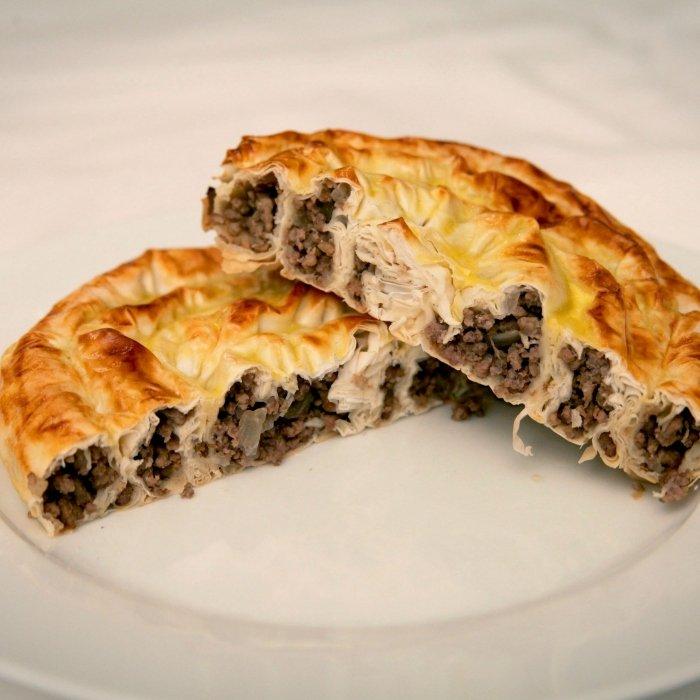
Side / Croatian
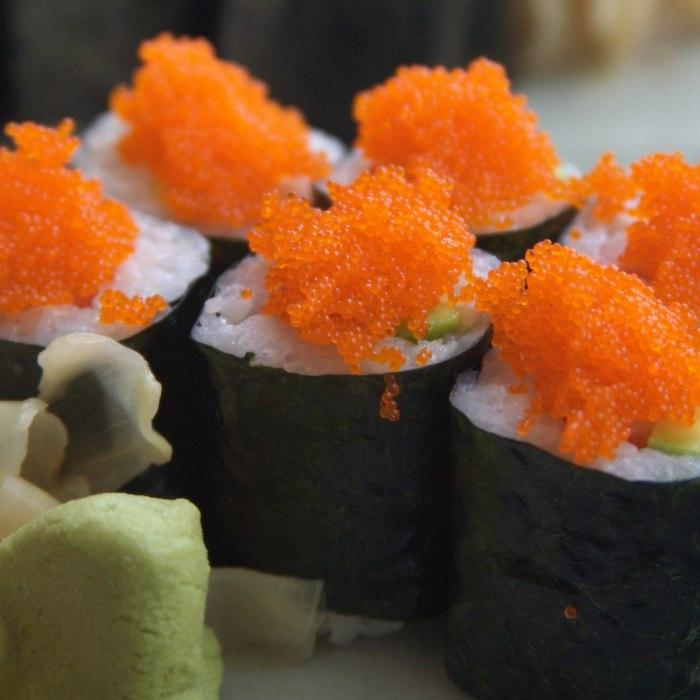
Seafood / Japanese
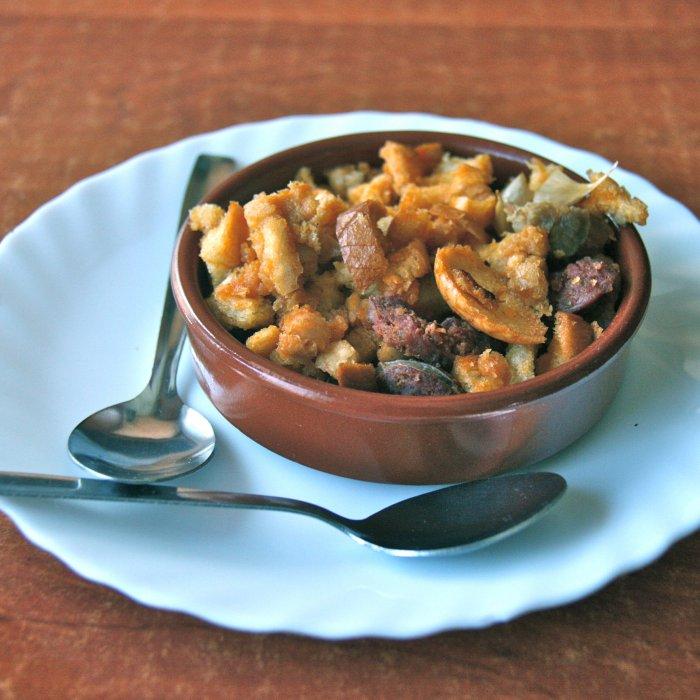
Miscellaneous / Spanish
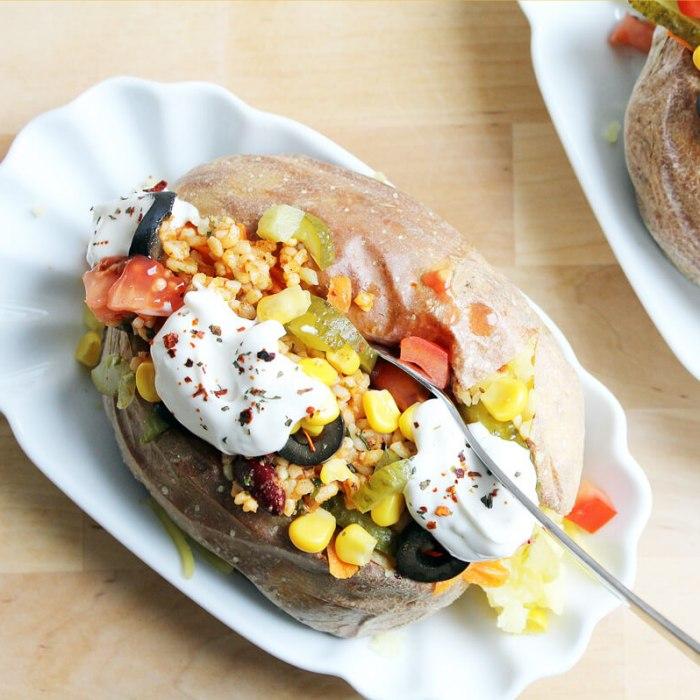
Side / Turkish
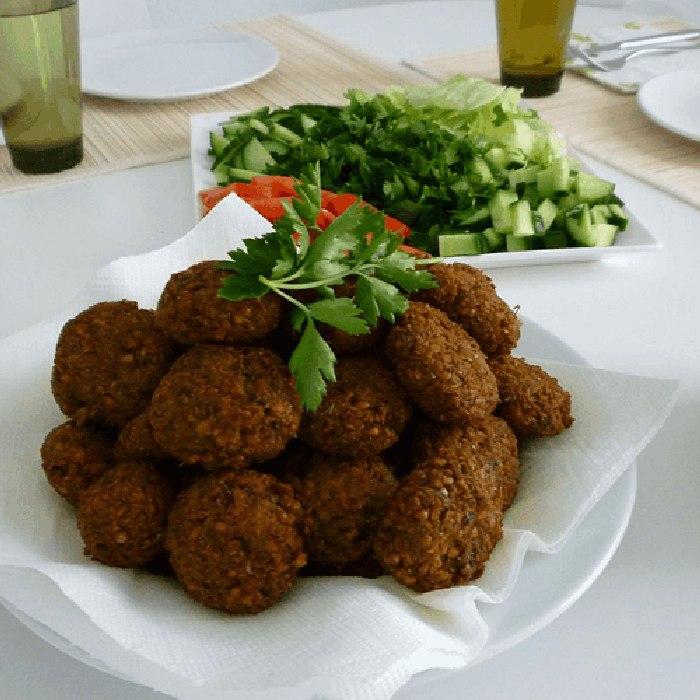
Vegetarian / Egyptian
PICK UP WHERE YOU LEFT OFF
Your recent discoveries will appear here as you explore.