

Side / Turkish
Gathering ingredients and inspiration.
 FROM THE PRISCY KITCHEN
SOMETHING WORTH COOKING
A little inspiration for your table. Gather your ingredients and make this recipe your next kitchen discovery.
GET EVERYTHING READY
Tick off each ingredient as you prepare.
0 of 17 ingredients ready
LET’S MAKE SOMETHING GOOD
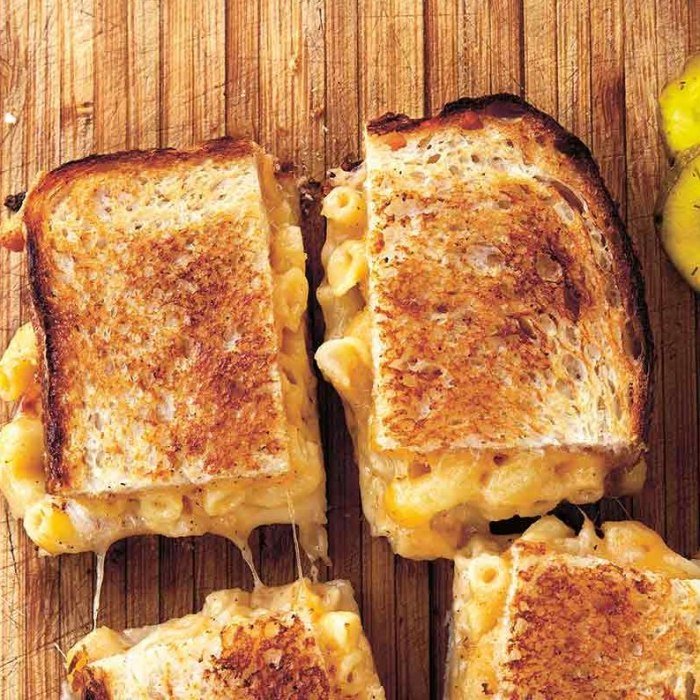
Make the mac and cheese
1. Bring a medium saucepan of generously salted water (you want it to taste like seawater) to a boil. Add the pasta and cook, stirring occasionally, until al dente, 8 to 10 minutes, or according to the package directions. The pasta should be tender but still chewy.
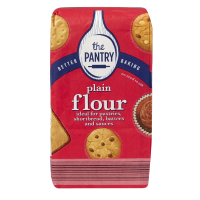
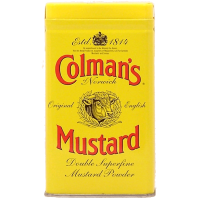
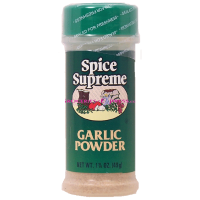
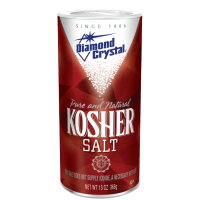
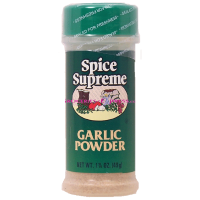
2. While the pasta is cooking, in a small bowl, whisk together the flour, mustard powder, garlic powder, salt, black pepper, and cayenne pepper.
3. Drain the pasta in a colander. Place the empty pasta pan (no need to wash it) over low heat and add the butter. When the butter has melted, whisk in the flour mixture and continue to cook, whisking frequently, until the mixture is beginning to brown and has a pleasant, nutty aroma, about 1 minute. Watch carefully so it does not scorch on the bottom of the pan.
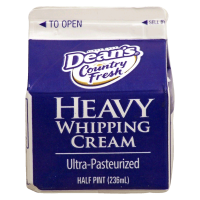
4. Slowly whisk the milk and cream into the flour mixture until everything is really well combined. Cook, whisking constantly, until the sauce is heated through and just begins to thicken, about 2 minutes. Remove from the heat. Gradually add the cheese while stirring constantly with a wooden spoon or silicone spatula and keep stirring until the cheese has melted into the sauce. Then stir in the drained cooked pasta.
5. Line a 9-by-13-inch (23-by-33-centimeter) rimmed baking sheet with parchment paper or aluminum foil. Coat the paper or foil with nonstick cooking spray or slick it with butter. Pour the warm mac and cheese onto the prepared baking sheet and spread it evenly with a spatula. Coat another piece of parchment paper with cooking spray or butter and place it, oiled or buttered side down, directly on the surface of the mac and cheese. Refrigerate until cool and firm, about 1 hour.
Make the grilled cheese
6. Heat a large cast-iron or nonstick skillet over medium-low heat.
7. In a small bowl, stir together the 4 tablespoons (55 grams) butter and garlic powder until well blended.
8. Remove the mac and cheese from the refrigerator and peel off the top layer of parchment paper. Carefully cut into 8 equal pieces. Each piece will make 1 grilled mac and cheese sandwich. (You can stash each individual portion in a double layer of resealable plastic bags and refrigerate for up to 3 days or freeze it for up to 1 month.)
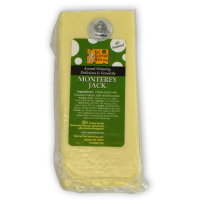
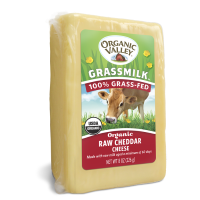
9. Spread 3/4 teaspoon garlic butter on one side of each bread slice. Place half of the slices, buttered-side down, on a clean cutting board. Top each with one slice of Cheddar, then 1 piece of the mac and cheese. (Transfer from the baking sheet by scooting your hand or a spatula under each piece of mac and cheese and then flipping it over onto a sandwich.) Place 1 slice of Jack on top of each. Finish with the remaining bread slices, buttered-side up.
10. Using a wide spatula, place as many sandwiches in the pan as will fit without crowding it. Cover and cook until the bottoms are nicely browned, about 4 minutes. Turn and cook until the second sides are browned, the cheese is melted, and the mac and cheese is heated through, about 4 minutes more.
11. Repeat with the remaining ingredients. Cut the sandwiches in half, if desired, and serve.
Get to know what goes into your recipe. Select an ingredient to explore it.
A LITTLE HELP ALONG THE WAY
A CLOSER LOOK AT YOUR RECIPE
Partial recipe · included ingredients only
The source does not provide a verified serving count. The summary uses original recipe quantities before any batch multiplier, not per serving. Enter your own serving count in the full label to see per-serving amounts.
Calculated automatically from 2 of 17 ingredients. This is an incomplete subtotal, not the full recipe’s nutrition.
Not included: Macaroni, Mustard Powder, Garlic powder, Kosher salt, Black pepper, Butter, Whole Milk, Heavy Cream, Monterey Jack Cheese, Butter, garlic powder, Bread, Cheddar Cheese, Colby Jack Cheese, Butter.
Estimated subtotal · included ingredients only
2 of 17 ingredients included. Excluded ingredients are not counted in the amounts or % Daily Values.
Serving count is unknown. Amounts and % Daily Values below apply to the whole original recipe’s included ingredients.
Amount per original recipe
| Amount per original recipe | % Daily Value* |
|---|---|
| Total Fat 0.4 g | 1% |
| Saturated Fat 0.1 g | 0% |
| Trans Fat Unavailable | — |
| Cholesterol 0 mg | 0% |
| Sodium 0.9 mg | 0% |
| Total Carbohydrate 31.9 g | 12% |
| Dietary Fiber 1.2 g | 4% |
| Total Sugars 0.1 g | — |
| Includes Added Sugars Unavailable | — |
| Protein 4.3 g | — |
| Vitamin D 0 µg | 0% |
| Calcium 6.6 mg | 1% |
| Iron 0.5 mg | 3% |
| Potassium 49.1 mg | 1% |
A nutrient amount is unavailable when any included ingredient lacks that source value.
* Percent Daily Values use FDA reference values for adults and children aged 4 and over, based on a 2,000 calorie diet. They apply to the amount shown above.
— means no % Daily Value is shown. Trans fat and total sugars have no established Daily Value; protein %DV is omitted because protein-quality data is unavailable. Missing nutrient amounts are not treated as zero.
Daily Value reference: FDA ↗Excluded: Ranges and descriptive amounts need a gram weight.
Dry unenriched wheat pasta. Household portions vary by pasta shape; use grams for these aliases. USDA source ↗
41.667 g edible ingredient. USDA portion: 1 cup = 125 g.
Assumes white all-purpose, unenriched wheat flour. Choose a different food for other flour types. USDA source ↗
Excluded: No quantifiable edible weight or reliable USDA food match is available.
Excluded: No quantifiable edible weight or reliable USDA food match is available.
Excluded: No quantifiable edible weight or reliable USDA food match is available.
Excluded: No unambiguous USDA portion weight matches this measure.
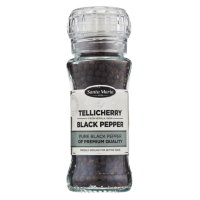
Estimate uses USDA Spices, pepper, black. Quantities refer to edible ingredient weight; brands, varieties and preparation can change the values. USDA source ↗
0.225 g edible ingredient. USDA portion: 1 tsp = 1.8 g.
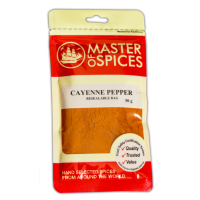
Estimate uses USDA Spices, pepper, red or cayenne. Quantities refer to edible ingredient weight; brands, varieties and preparation can change the values. USDA source ↗
Excluded: Ranges and descriptive amounts need a gram weight.
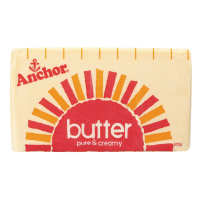
Unspecified butter is estimated as salted butter. Salt content and fat vary by product. USDA source ↗
Excluded: Ranges and descriptive amounts need a gram weight.
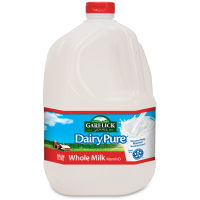
Unspecified milk is estimated as whole milk, 3.25% fat, with vitamin D. Actual fat level may differ. USDA source ↗
Excluded: Ranges and descriptive amounts need a gram weight.
Estimate uses USDA Cream, fluid, heavy whipping. Quantities refer to edible ingredient weight; brands, varieties and preparation can change the values. USDA source ↗
Excluded: No quantifiable edible weight or reliable USDA food match is available.
Excluded: Ranges and descriptive amounts need a gram weight.
Unspecified butter is estimated as salted butter. Salt content and fat vary by product. USDA source ↗
Excluded: No quantifiable edible weight or reliable USDA food match is available.
Excluded: No unambiguous USDA portion weight matches this measure.
Estimate uses USDA Bread, white, commercially prepared (includes soft bread crumbs). Quantities refer to edible ingredient weight; brands, varieties and preparation can change the values. USDA source ↗
Excluded: No unambiguous USDA portion weight matches this measure.
Regular cheddar cheese; brand, salt content, and fat level can vary. USDA source ↗
Excluded: No quantifiable edible weight or reliable USDA food match is available.
Excluded: Ranges and descriptive amounts need a gram weight.
Unspecified butter is estimated as salted butter. Salt content and fat vary by product. USDA source ↗
Values use ingredient nutrients per 100 g and food-specific USDA portion weights. Cups, tablespoons and teaspoons use US measures. Pinches, handfuls, “to taste” and unspecified package sizes are excluded. Common counted foods use the stated size or a documented standard USDA portion when a count is supplied; these assumptions are identified above. Other unspecified counts remain excluded.
Assumes included ingredients are retained. Cooking losses, drained liquids, discarded oil, alcohol evaporation and changes in water content are not modeled. Missing nutrient values are shown as unavailable, not zero.
Source: USDA FoodData Central. Data retrieved . These are automatically calculated estimates, not a laboratory analysis.
KEEP THE INSPIRATION GOING
A few more ideas from the kitchen.
Side / Turkish
Side / Croatian
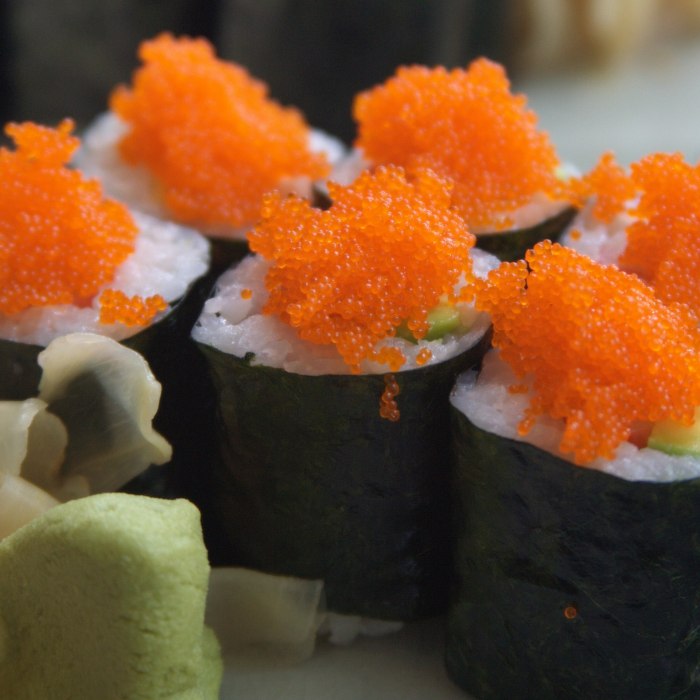
Seafood / Japanese
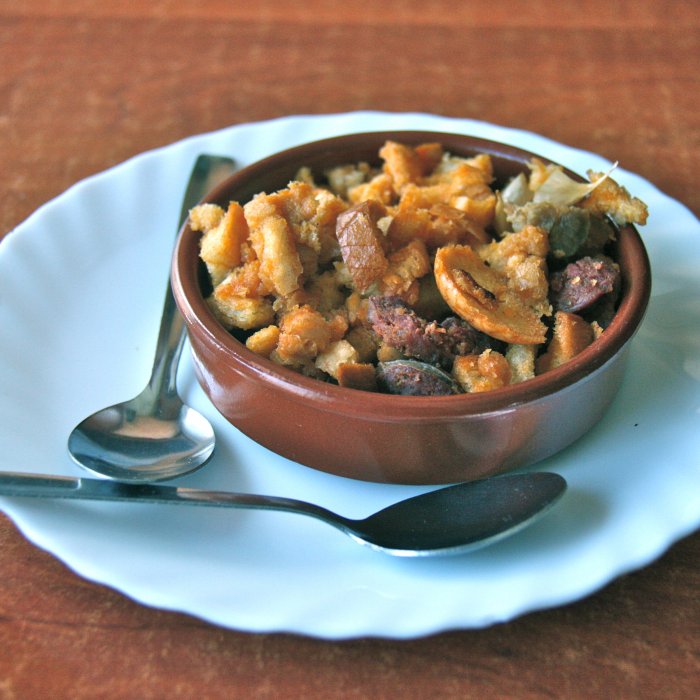
Miscellaneous / Spanish
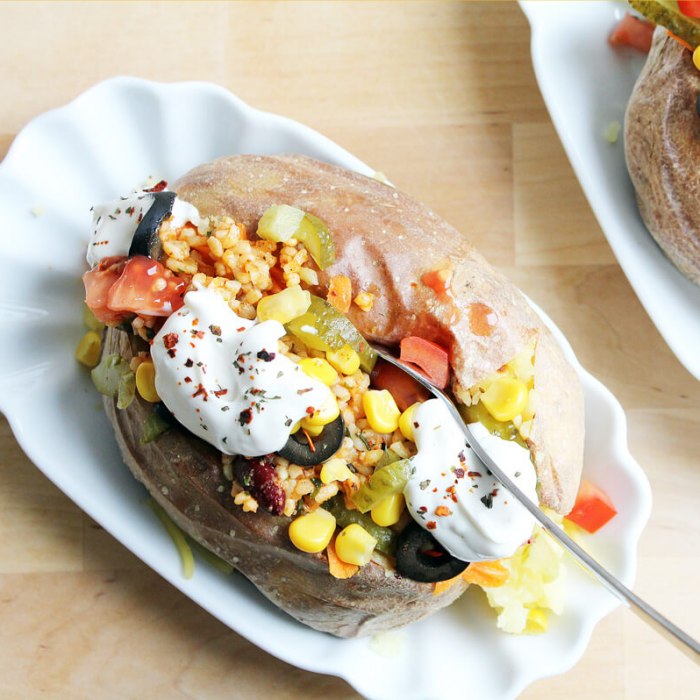
Side / Turkish
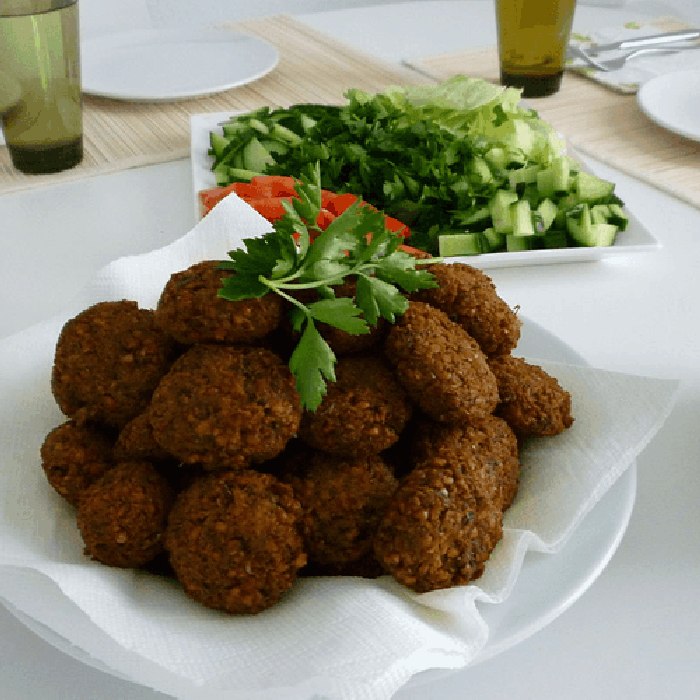
Vegetarian / Egyptian
PICK UP WHERE YOU LEFT OFF
Your recent discoveries will appear here as you explore.