

Side / Turkish
Gathering ingredients and inspiration.
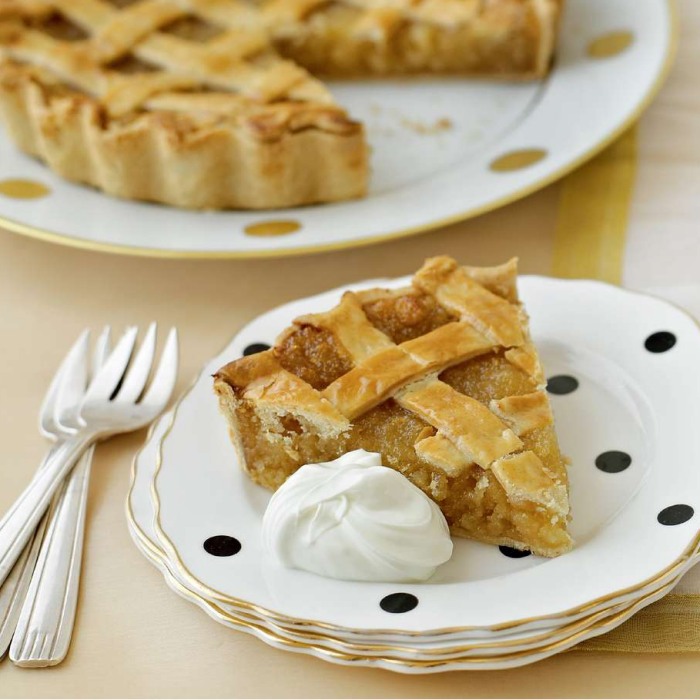 FROM THE PRISCY KITCHEN
SOMETHING WORTH COOKING
A little inspiration for your table. Gather your ingredients and make this recipe your next kitchen discovery.
GET EVERYTHING READY
Tick off each ingredient as you prepare.
0 of 6 ingredients ready
LET’S MAKE SOMETHING GOOD
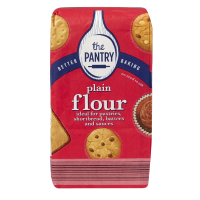
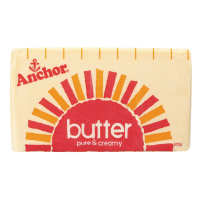
First make the short crust pastry: measure the flour into a large bowl and rub in the butter with your fingertips until the mixture resembles fine breadcrumbs (alternatively, this can be done in a food processor). Add about three tablespoons of cold water and mix to a firm dough, wrap in cling film and chill in the fridge for about 20 minutes.
Preheat the oven to 200C/400F/Gas 6 and put a heavy baking tray in the oven to heat up. Grease a deep 18cm/7in loose-bottomed fluted flan tin with butter.
Remove about 150g/5½oz of pastry from the main ball and set aside for the lattice top.
Roll the rest of the pastry out thinly on a lightly floured work surface and line the prepared flan tin with the pastry.
Prick the base with a fork, to stop the base rising up during baking.
Place the reserved pastry for the lattice top on cling film and roll out thinly. Egg wash the pastry and set aside to chill in the fridge (the cling film makes it easier to move about). Do not cut into strips at this stage. Do not egg wash the strips once they are on the tart as it will drip into the treacle mixture.
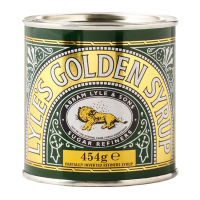
To make the filling, heat the syrup gently in a large pan but do not boil.
Once melted, add the breadcrumbs, lemon juice and zest to the syrup. (You can add less lemon if you would prefer less citrus taste.) If the mixture looks runny, add a few more breadcrumbs.
Pour the syrup mixture into the lined tin and level the surface.
Remove the reserved pastry from the fridge and cut into long strips, 1cm/½in wide. Make sure they are all longer than the edges of the tart tin.
Egg wash the edge of the pastry in the tin, and start to make the woven laying lattice pattern over the mixture, leave the strips hanging over the edge of the tin.
Once the lattice is in place, use the tin edge to cut off the strips by pressing down with your hands, creating a neat finish.
Bake on the pre-heated baking tray in the hot oven for about 10 minutes until the pastry has started to colour, and then reduce the oven temperature to 180C/350F/Gas 4. If at this stage the lattice seems to be getting too dark brown, cover the tart with tin foil.
Bake for a further 25-30 minutes until the pastry is golden-brown and the filling set.
Remove the tart from the oven and leave to firm up in the tin. Serve warm or cold.
Get to know what goes into your recipe. Select an ingredient to explore it.
A LITTLE HELP ALONG THE WAY
A CLOSER LOOK AT YOUR RECIPE
Partial recipe · included ingredients only
The source does not provide a verified serving count. The summary uses original recipe quantities before any batch multiplier, not per serving. Enter your own serving count in the full label to see per-serving amounts.
Calculated automatically from 4 of 6 ingredients. This is an incomplete subtotal, not the full recipe’s nutrition.
Standard USDA sizes assumed for Eggs. Exact portions and food assumptions are listed below.
Not included: Golden Syrup, Lemons.
Estimated subtotal · included ingredients only
4 of 6 ingredients included. Excluded ingredients are not counted in the amounts or % Daily Values.
Serving count is unknown. Amounts and % Daily Values below apply to the whole original recipe’s included ingredients.
Amount per original recipe
| Amount per original recipe | % Daily Value* |
|---|---|
| Total Fat 124.7 g | 160% |
| Saturated Fat 73.1 g | 366% |
| Trans Fat Unavailable | — |
| Cholesterol 476.3 mg | 159% |
| Sodium 2,042.1 mg | 89% |
| Total Carbohydrate 299.2 g | 109% |
| Dietary Fiber 13.5 g | 48% |
| Total Sugars 10.2 g | — |
| Includes Added Sugars Unavailable | — |
| Protein 53.3 g | — |
| Vitamin D 1 µg | 5% |
| Calcium 372.4 mg | 29% |
| Iron 11.1 mg | 62% |
| Potassium 662.9 mg | 14% |
A nutrient amount is unavailable when any included ingredient lacks that source value.
* Percent Daily Values use FDA reference values for adults and children aged 4 and over, based on a 2,000 calorie diet. They apply to the amount shown above.
— means no % Daily Value is shown. Trans fat and total sugars have no established Daily Value; protein %DV is omitted because protein-quality data is unavailable. Missing nutrient amounts are not treated as zero.
Daily Value reference: FDA ↗250 g edible ingredient. Converted from 250g using a mass unit.
Assumes white all-purpose, unenriched wheat flour. Choose a different food for other flour types. USDA source ↗
135 g edible ingredient. Converted from 135g using a mass unit.
Unspecified butter is estimated as salted butter. Salt content and fat vary by product. USDA source ↗
Excluded: The quantity is known, but no reliable USDA food match is available.
150 g edible ingredient. Converted from 150g using a mass unit.
Estimate uses USDA Bread, crumbs, dry, grated, plain. Quantities refer to edible ingredient weight; brands, varieties and preparation can change the values. USDA source ↗
Excluded: Ranges and descriptive amounts need a gram weight.
Edible lemon flesh without peel. Lemon juice needs its own food mapping. USDA source ↗
50 g edible ingredient. Standard size assumed: 1 × USDA large; 1 portion = 50 g.
Raw whole chicken egg without shell. Unspecified egg sizes need a gram weight. USDA source ↗
Values use ingredient nutrients per 100 g and food-specific USDA portion weights. Cups, tablespoons and teaspoons use US measures. Pinches, handfuls, “to taste” and unspecified package sizes are excluded. Common counted foods use the stated size or a documented standard USDA portion when a count is supplied; these assumptions are identified above. Other unspecified counts remain excluded.
Assumes included ingredients are retained. Cooking losses, drained liquids, discarded oil, alcohol evaporation and changes in water content are not modeled. Missing nutrient values are shown as unavailable, not zero.
Source: USDA FoodData Central. Data retrieved . These are automatically calculated estimates, not a laboratory analysis.
KEEP THE INSPIRATION GOING
A few more ideas from the kitchen.
Side / Turkish
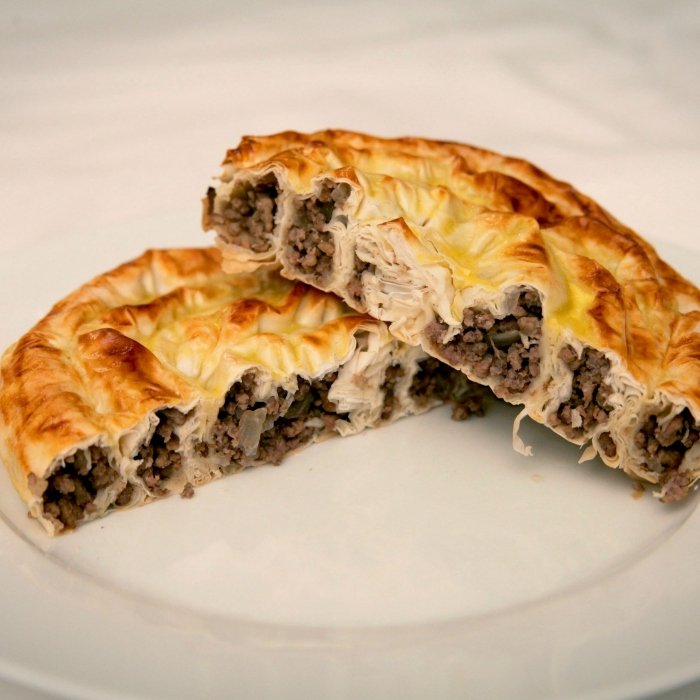
Side / Croatian
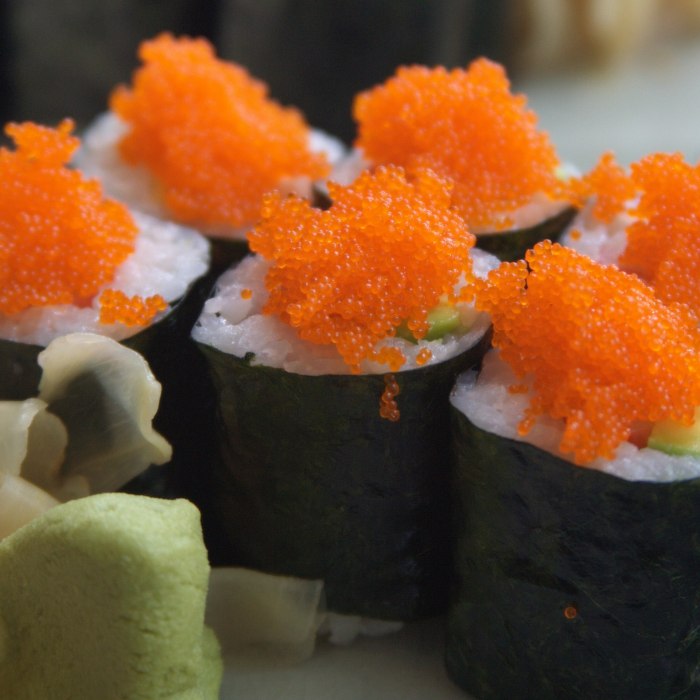
Seafood / Japanese
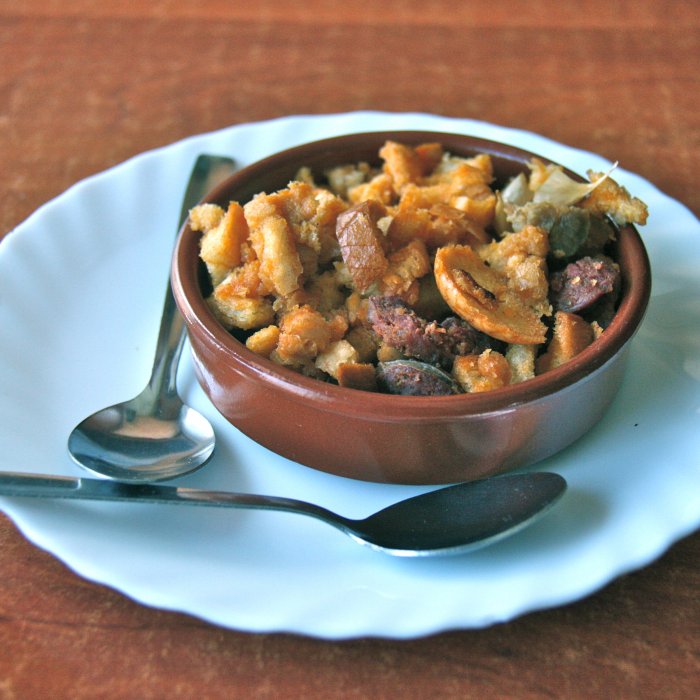
Miscellaneous / Spanish
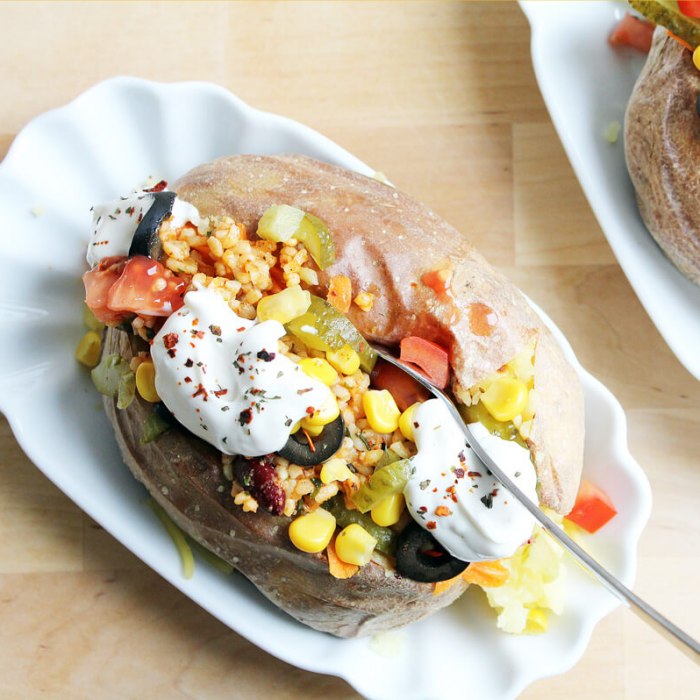
Side / Turkish
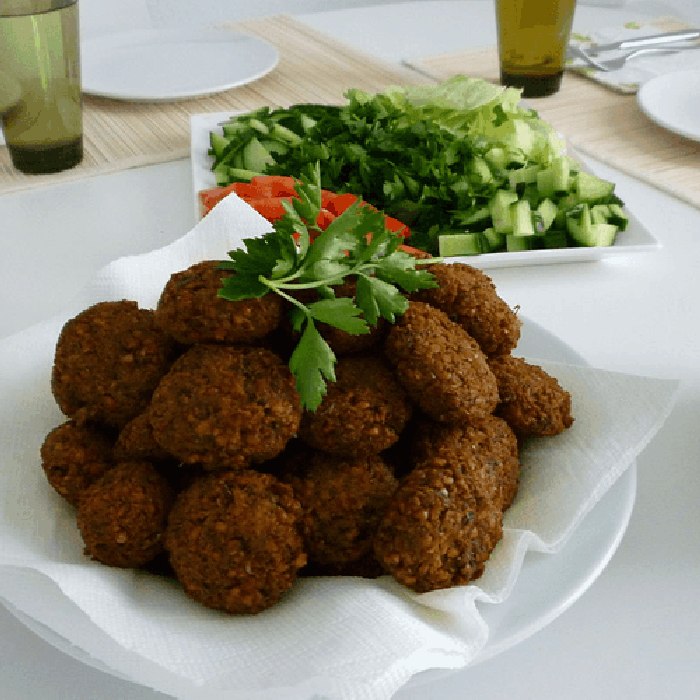
Vegetarian / Egyptian
PICK UP WHERE YOU LEFT OFF
Your recent discoveries will appear here as you explore.