
Side / Turkish
Gathering ingredients and inspiration.
 FROM THE PRISCY KITCHEN
SOMETHING WORTH COOKING
A little inspiration for your table. Gather your ingredients and make this recipe your next kitchen discovery.
GET EVERYTHING READY
Tick off each ingredient as you prepare.
0 of 6 ingredients ready
LET’S MAKE SOMETHING GOOD
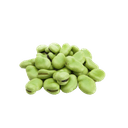
As the cooking time varies depending on the quality and age of the beans, it is good to cook them in advance and to reheat them when you are ready to serve. Cook the drained beans in a fresh portion of unsalted water in a large saucepan with the lid on until tender, adding water to keep them covered, and salt when the beans have softened. They take 2–2 1/2 hours of gentle simmering. When the beans are soft, let the liquid reduce. It is usual to take out a ladle or two of the beans and to mash them with some of the cooking liquid, then stir this back into the beans. This is to thicken the sauce.
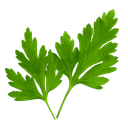
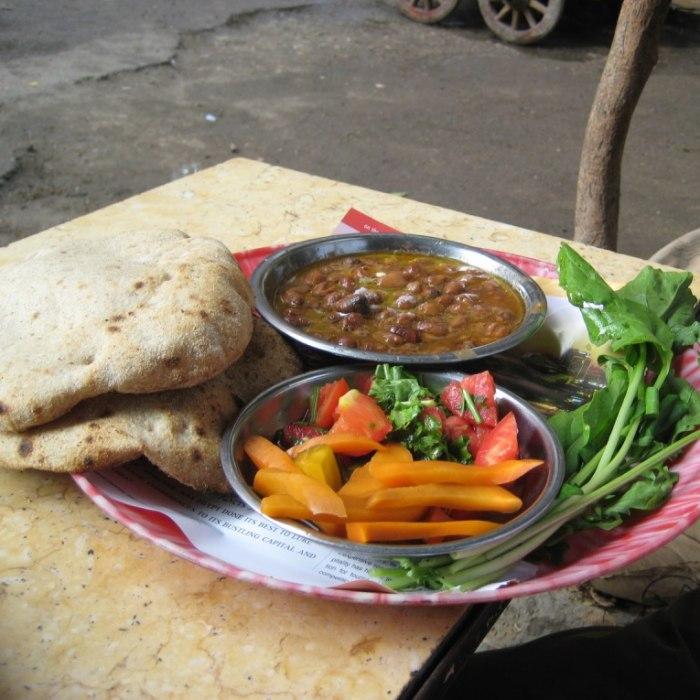
Serve the beans in soup bowls sprinkled with chopped parsley and accompanied by Arab bread.
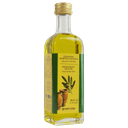
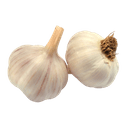
Pass round the dressing ingredients for everyone to help themselves: a bottle of extra-virgin olive oil, the quartered lemons, salt and pepper, a little saucer with the crushed garlic, one with chili-pepper flakes, and one with ground cumin.
The beans are eaten gently crushed with the fork, so that they absorb the dressing.
Optional Garnishes
Peel hard-boiled eggs—1 per person—to cut up in the bowl with the beans.
Top the beans with a chopped cucumber-and-tomato salad and thinly sliced mild onions or scallions. Otherwise, pass round a good bunch of scallions and quartered tomatoes and cucumbers cut into sticks.
Serve with tahina cream sauce (page 65) or salad (page 67), with pickles and sliced onions soaked in vinegar for 30 minutes.
Another way of serving ful medames is smothered in a garlicky tomato sauce (see page 464).
In Syria and Lebanon, they eat ful medames with yogurt or feta cheese, olives, and small cucumbers.
Variations
A traditional way of thickening the sauce is to throw a handful of red lentils (1/4 cup) into the water at the start of the cooking.
In Iraq, large brown beans are used instead of the small Egyptian ones, in a dish called badkila, which is also sold for breakfast in the street.
Get to know what goes into your recipe. Select an ingredient to explore it.
A LITTLE HELP ALONG THE WAY
A CLOSER LOOK AT YOUR RECIPE
Partial recipe · included ingredients only
The source does not provide a verified serving count. The summary uses original recipe quantities before any batch multiplier, not per serving. Enter your own serving count in the full label to see per-serving amounts.
Calculated automatically from 3 of 6 ingredients. This is an incomplete subtotal, not the full recipe’s nutrition.
Standard USDA sizes assumed for Lemons. Exact portions and food assumptions are listed below.
Not included: Broad Beans, Olive Oil, Cumin.
Estimated subtotal · included ingredients only
3 of 6 ingredients included. Excluded ingredients are not counted in the amounts or % Daily Values.
Serving count is unknown. Amounts and % Daily Values below apply to the whole original recipe’s included ingredients.
Amount per original recipe
| Amount per original recipe | % Daily Value* |
|---|---|
| Total Fat 0.7 g | 1% |
| Saturated Fat 0.1 g | 1% |
| Trans Fat 0 g | — |
| Cholesterol 0 mg | 0% |
| Sodium 16.9 mg | 1% |
| Total Carbohydrate 21.5 g | 8% |
| Dietary Fiber 5.8 g | 21% |
| Total Sugars 4.6 g | — |
| Includes Added Sugars Unavailable | — |
| Protein 3.3 g | — |
| Vitamin D 0 µg | 0% |
| Calcium 94.9 mg | 7% |
| Iron 2.5 mg | 14% |
| Potassium 400.5 mg | 9% |
A nutrient amount is unavailable when any included ingredient lacks that source value.
* Percent Daily Values use FDA reference values for adults and children aged 4 and over, based on a 2,000 calorie diet. They apply to the amount shown above.
— means no % Daily Value is shown. Trans fat and total sugars have no established Daily Value; protein %DV is omitted because protein-quality data is unavailable. Missing nutrient amounts are not treated as zero.
Daily Value reference: FDA ↗Excluded: No quantifiable edible weight or reliable USDA food match is available.
20.267 g edible ingredient. Converted with US volume units from USDA 1 tbsp = 3.8 g.
Fresh parsley, not dried parsley. USDA source ↗
Excluded: No fixed edible weight is specified for this amount.
Estimate uses USDA Oil, olive, salad or cooking. Quantities refer to edible ingredient weight; brands, varieties and preparation can change the values. USDA source ↗
174 g edible ingredient. Standard size assumed: 3 × USDA fruit (2-1/8" dia); 1 portion = 58 g.
Edible lemon flesh without peel. Lemon juice needs its own food mapping. USDA source ↗
12 g edible ingredient. 4 × USDA clove; 1 portion = 3 g.
Raw peeled garlic. A bare count is not assumed to mean cloves. USDA source ↗
Excluded: Ranges and descriptive amounts need a gram weight.
Estimate uses USDA Spices, cumin seed. Quantities refer to edible ingredient weight; brands, varieties and preparation can change the values. USDA source ↗
Values use ingredient nutrients per 100 g and food-specific USDA portion weights. Cups, tablespoons and teaspoons use US measures. Pinches, handfuls, “to taste” and unspecified package sizes are excluded. Common counted foods use the stated size or a documented standard USDA portion when a count is supplied; these assumptions are identified above. Other unspecified counts remain excluded.
Assumes included ingredients are retained. Cooking losses, drained liquids, discarded oil, alcohol evaporation and changes in water content are not modeled. Missing nutrient values are shown as unavailable, not zero.
Source: USDA FoodData Central. Data retrieved . These are automatically calculated estimates, not a laboratory analysis.
KEEP THE INSPIRATION GOING
A few more ideas from the kitchen.
Side / Turkish
Side / Croatian
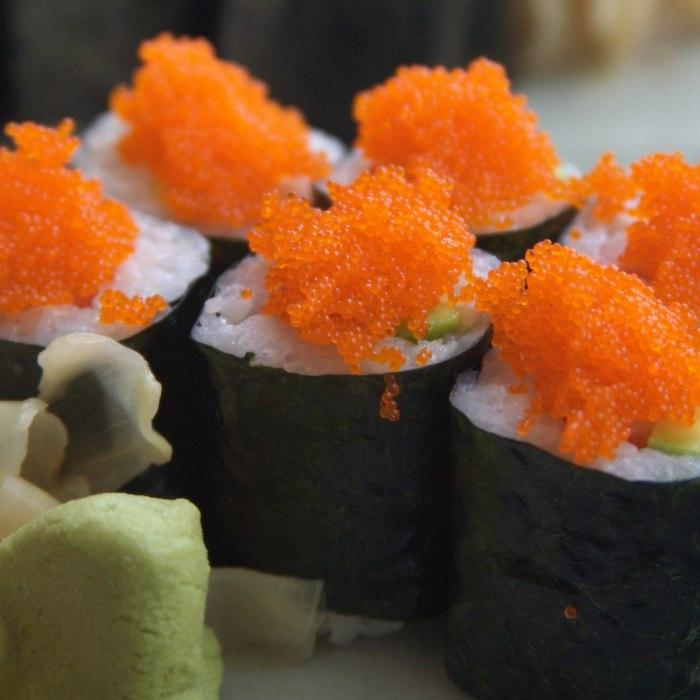
Seafood / Japanese
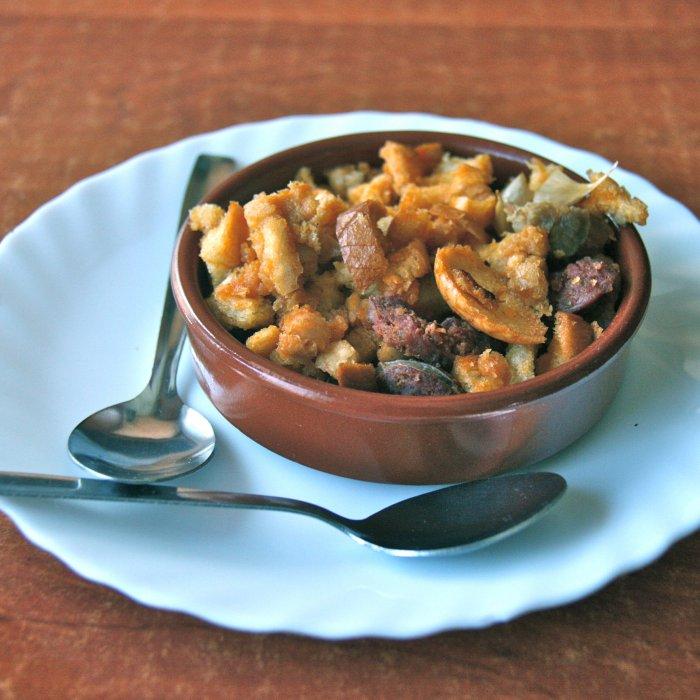
Miscellaneous / Spanish
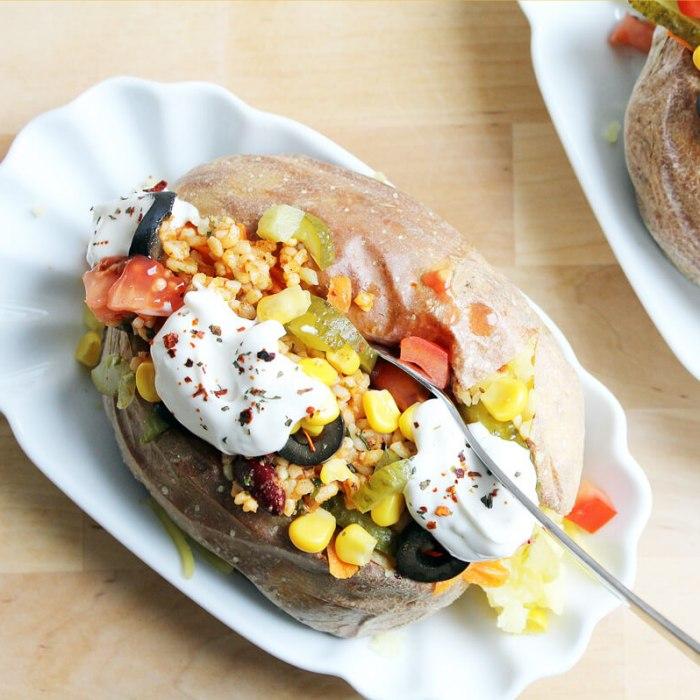
Side / Turkish
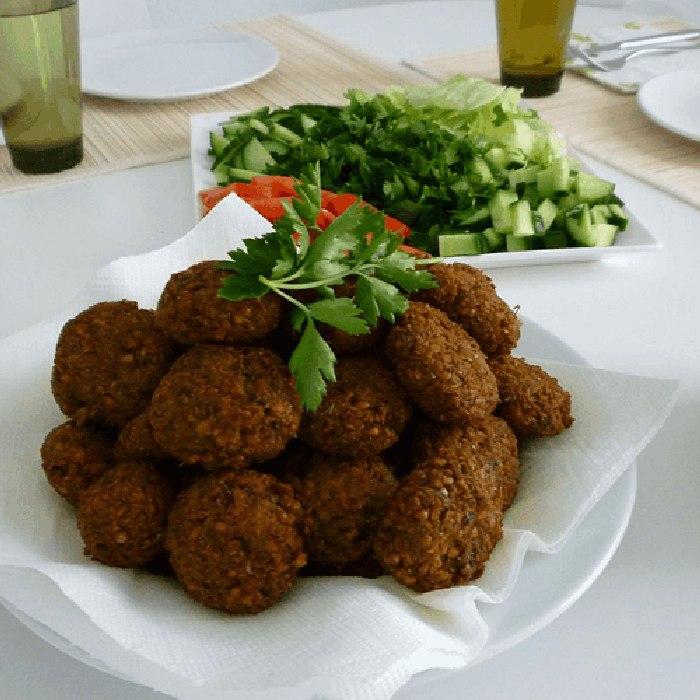
Vegetarian / Egyptian
PICK UP WHERE YOU LEFT OFF
Your recent discoveries will appear here as you explore.