Side / Turkish
Gathering ingredients and inspiration.
 FROM THE PRISCY KITCHEN
SOMETHING WORTH COOKING
A little inspiration for your table. Gather your ingredients and make this recipe your next kitchen discovery.
GET EVERYTHING READY
Tick off each ingredient as you prepare.
0 of 10 ingredients ready
LET’S MAKE SOMETHING GOOD
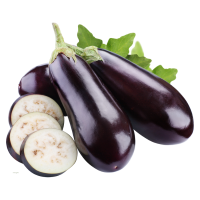
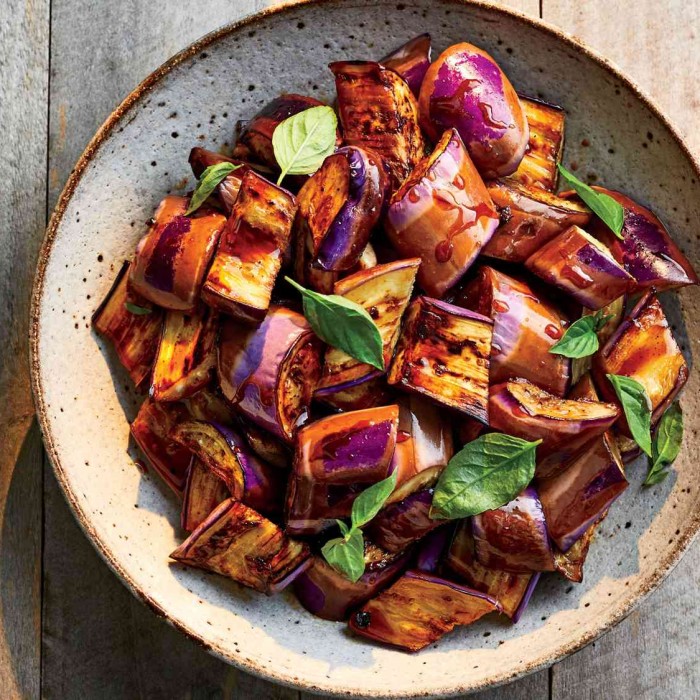
1. Slice 1 lb. small Japanese or Italian eggplant (about 3) into quarters lengthwise, then cut crosswise into 2"-wide pieces. Place in a medium bowl. Add 1 Tbsp. sugar, 1 tsp. Diamond Crystal or ½ tsp. Morton kosher salt, and ½ tsp. freshly ground black pepper. Toss to evenly coat eggplant and let sit at room temperature at least 20 minutes and up to 2 hours.
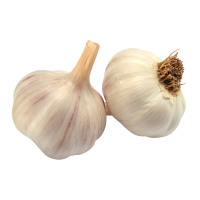
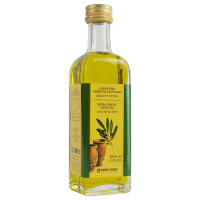
2. Peel and thinly slice 8 garlic cloves. Add 3 Tbsp. vegetable oil and half of garlic to a medium Dutch oven or other heavy pot. Cook over medium-high heat, stirring constantly with a wooden spoon, until light golden and crisp, about 5 minutes. Using a slotted spoon, transfer garlic chips to a plate; season lightly with salt.
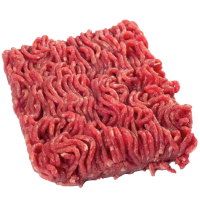
3. Place 4 oz. ground pork in same pot and break up into small pieces with wooden spoon. Season with ¼ tsp. Diamond Crystal or Morton kosher salt and cook, undisturbed, until deeply browned underneath, about 5 minutes. Using a slotted spoon, transfer to another plate, leaving fat behind in the pot.
4. Place eggplant on a clean kitchen towel and blot away any moisture the salt has drawn out.
5. Working in batches and adding more oil if needed, cook eggplant in the same pot until lightly browned, about 3 minutes per side. Transfer to a plate with pork.
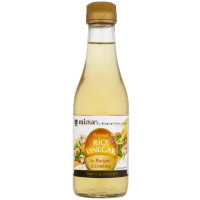
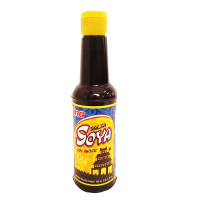
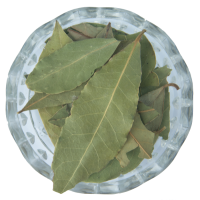
6. Pour 1½ cups of water into the pot and scrape up browned bits from the bottom with a wooden spoon. Add remaining garlic, 3 Tbsp. coconut vinegar or unseasoned rice vinegar, 2 Tbsp. soy sauce, 2 bay leaves, 1 tsp. freshly ground black pepper, and remaining 1 Tbsp. sugar. Bring to a simmer, then return pork and eggplant to pot. Reduce heat to medium-low, partially cover, and simmer until eggplant is tender and silky and sauce is reduced by half, 20–25 minutes. Taste and season with more salt and pepper and add a little more sugar if needed.
7. Top with garlic chips and serve with cooked white rice.
Get to know what goes into your recipe. Select an ingredient to explore it.
A LITTLE HELP ALONG THE WAY
A CLOSER LOOK AT YOUR RECIPE
Partial recipe · included ingredients only
The source does not provide a verified serving count. The summary uses original recipe quantities before any batch multiplier, not per serving. Enter your own serving count in the full label to see per-serving amounts.
Calculated automatically from 5 of 10 ingredients. This is an incomplete subtotal, not the full recipe’s nutrition.
Not included: Pepper, Garlic, Ground Pork, Rice Vinegar, Bay Leaf.
Estimated subtotal · included ingredients only
5 of 10 ingredients included. Excluded ingredients are not counted in the amounts or % Daily Values.
Serving count is unknown. Amounts and % Daily Values below apply to the whole original recipe’s included ingredients.
Amount per original recipe
| Amount per original recipe | % Daily Value* |
|---|---|
| Total Fat 41.5 g | 53% |
| Saturated Fat 5.8 g | 29% |
| Trans Fat Unavailable | — |
| Cholesterol 0 mg | 0% |
| Sodium 4,093.4 mg | 178% |
| Total Carbohydrate 53.2 g | 19% |
| Dietary Fiber 13.9 g | 50% |
| Total Sugars 41.1 g | — |
| Includes Added Sugars Unavailable | — |
| Protein 7.1 g | — |
| Vitamin D 0 µg | 0% |
| Calcium 53.5 mg | 4% |
| Iron 1.8 mg | 10% |
| Potassium 1,179.3 mg | 25% |
A nutrient amount is unavailable when any included ingredient lacks that source value.
* Percent Daily Values use FDA reference values for adults and children aged 4 and over, based on a 2,000 calorie diet. They apply to the amount shown above.
— means no % Daily Value is shown. Trans fat and total sugars have no established Daily Value; protein %DV is omitted because protein-quality data is unavailable. Missing nutrient amounts are not treated as zero.
Daily Value reference: FDA ↗453.592 g edible ingredient. Converted from 1 lb using a mass unit.
Estimate uses USDA Eggplant, raw. Quantities refer to edible ingredient weight; brands, varieties and preparation can change the values. USDA source ↗
25 g edible ingredient. Converted with US volume units from USDA 1 cup = 200 g.
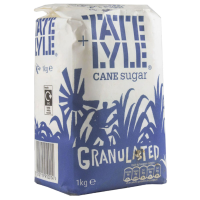
White granulated sugar, not brown, icing, or caster sugar. USDA source ↗
6 g edible ingredient. USDA portion: 1 tsp = 6 g.
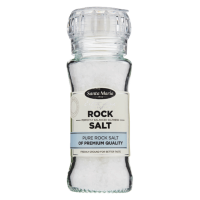
Table salt. Coarse, sea, or kosher salt can have different household weights. USDA source ↗
Excluded: No unambiguous USDA portion weight matches this measure.
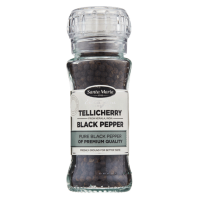
Estimate uses USDA Spices, pepper, black. Quantities refer to edible ingredient weight; brands, varieties and preparation can change the values. USDA source ↗
Excluded: No unambiguous USDA portion weight matches this measure.
Raw peeled garlic. A bare count is not assumed to mean cloves. USDA source ↗
40.5 g edible ingredient. USDA portion: 1 tablespoon = 13.5 g.
Estimate uses USDA Oil, olive, salad or cooking. Quantities refer to edible ingredient weight; brands, varieties and preparation can change the values. USDA source ↗
Excluded: The quantity is known, but no reliable USDA food match is available.
Excluded: No quantifiable edible weight or reliable USDA food match is available.
32 g edible ingredient. USDA portion: 1 tbsp = 16 g.
Estimate uses USDA Soy sauce made from soy and wheat (shoyu). Quantities refer to edible ingredient weight; brands, varieties and preparation can change the values. USDA source ↗
Excluded: A count without a size or portion unit needs grams.
Estimate uses USDA Spices, bay leaf. Quantities refer to edible ingredient weight; brands, varieties and preparation can change the values. USDA source ↗
Values use ingredient nutrients per 100 g and food-specific USDA portion weights. Cups, tablespoons and teaspoons use US measures. Pinches, handfuls, “to taste” and unspecified package sizes are excluded. Common counted foods use the stated size or a documented standard USDA portion when a count is supplied; these assumptions are identified above. Other unspecified counts remain excluded.
Assumes included ingredients are retained. Cooking losses, drained liquids, discarded oil, alcohol evaporation and changes in water content are not modeled. Missing nutrient values are shown as unavailable, not zero.
Source: USDA FoodData Central. Data retrieved . These are automatically calculated estimates, not a laboratory analysis.
KEEP THE INSPIRATION GOING
A few more ideas from the kitchen.
Side / Turkish
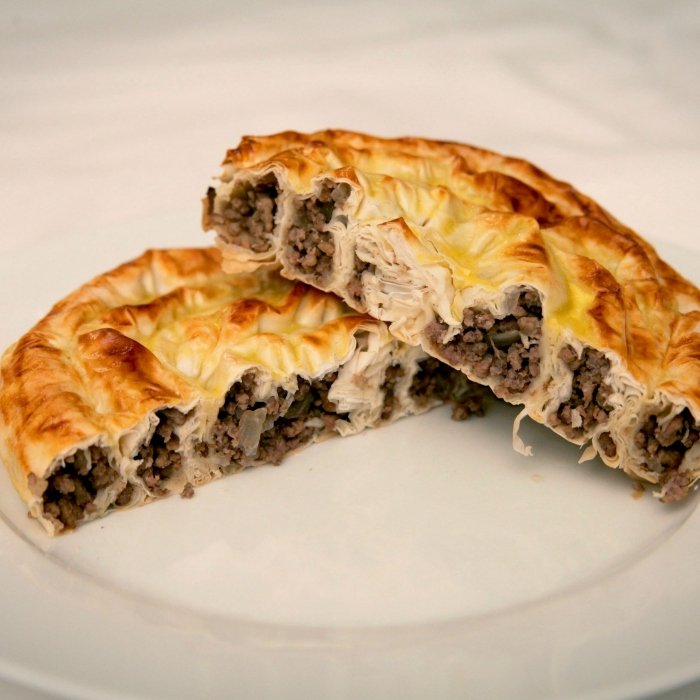
Side / Croatian
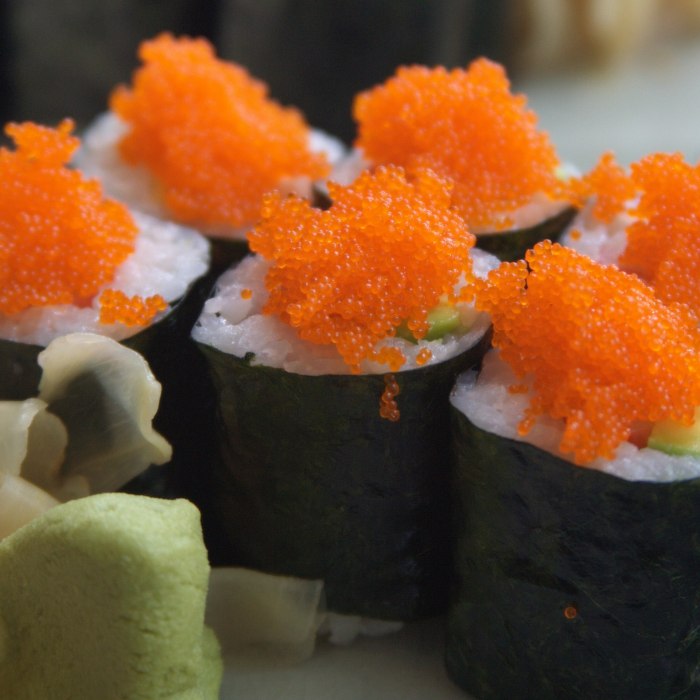
Seafood / Japanese
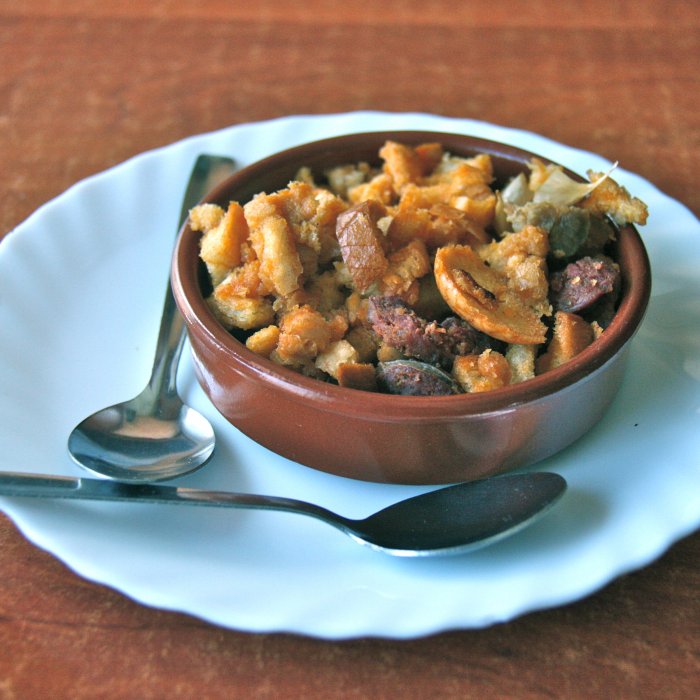
Miscellaneous / Spanish
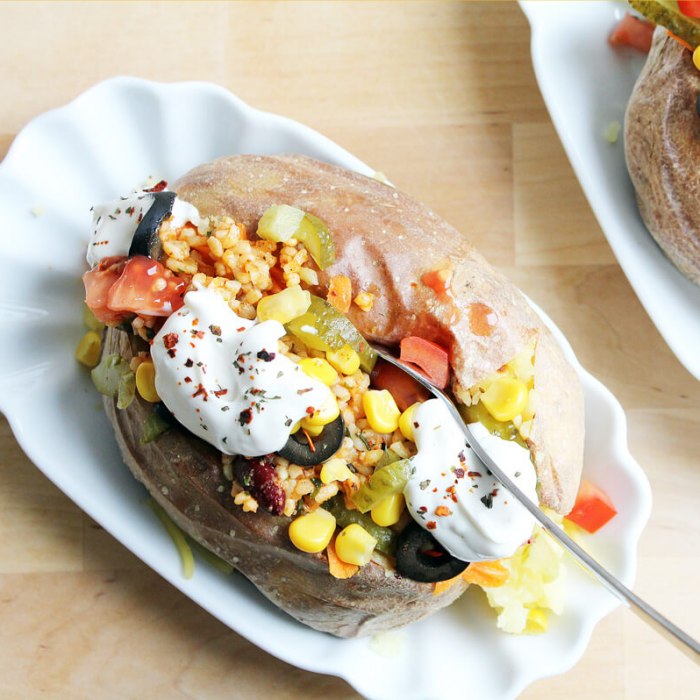
Side / Turkish
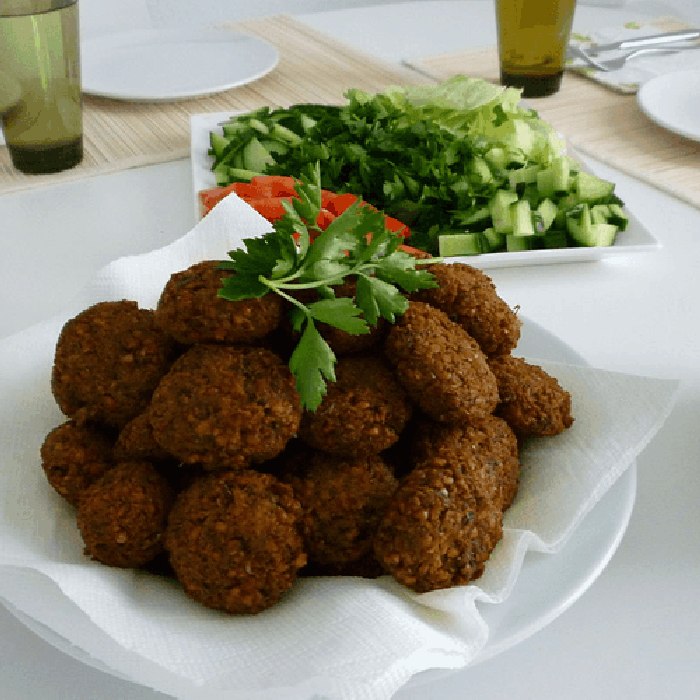
Vegetarian / Egyptian
PICK UP WHERE YOU LEFT OFF
Your recent discoveries will appear here as you explore.