Preparing your recipes…
Gathering ingredients and inspiration.
THE PRISCY KITCHEN · INGREDIENT NOTES
Start with something you have. Explore how this ingredient comes together with others in your next favourite meal.
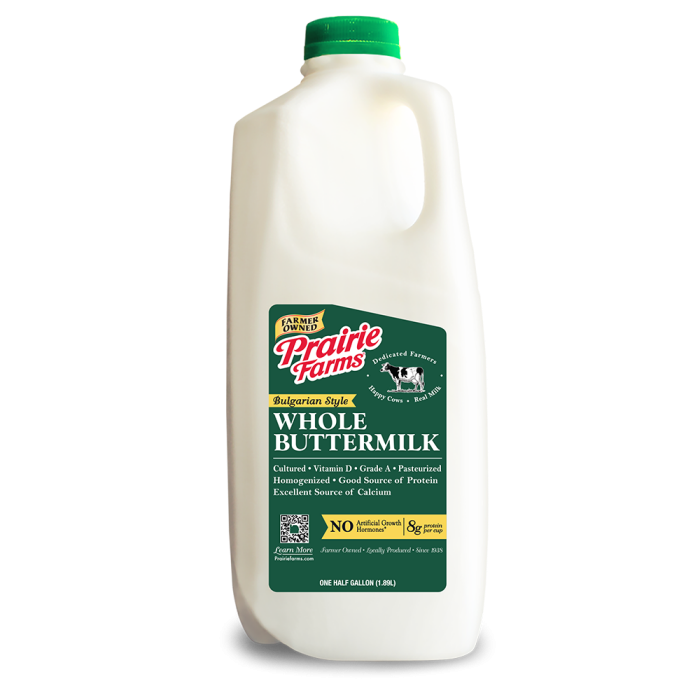
FROM YOUR KITCHENButtermilk
A CLOSER LOOK
Buttermilk is a fermented dairy product with a tangy taste, traditionally made as the liquid left over from churning butter. Today's commercial buttermilk is typically produced by adding bacterial cultures to low-fat milk, which ferments it to create a similar tang and texture. It is a popular ingredient in baking for…
Buttermilk is a fermented dairy product with a tangy taste, traditionally made as the liquid left over from churning butter. Today's commercial buttermilk is typically produced by adding bacterial cultures to low-fat milk, which ferments it to create a similar tang and texture. It is a popular ingredient in baking for tenderizing baked goods and is also used for marinades or drinking. Traditional vs. modern buttermilk Traditional: This was the liquid byproduct remaining after churning cream into butter. Over time, the liquid would naturally ferment, giving it a sour taste. Modern: This is what you'll find in stores today. It's made by adding a bacterial culture, specifically lactic acid bacteria, to milk to create a consistent, tangy flavor and slightly thicker consistency. Uses and properties Baking: The acidity in buttermilk reacts with leavening agents like baking soda, helping baked goods like pancakes, scones, and muffins to rise. The acid also helps tenderize proteins, leading to a more moist and tender result. Marinades: Its acidic nature can also tenderize meats, making it a great marinade for chicken or pork. Drinking: Buttermilk is a popular beverage in some parts of the world, like India and Nepal, and can be drunk on its own, often served cold. How to make it at home You can easily make a substitute for buttermilk by adding an acid to milk. Add one tablespoon of lemon juice or white vinegar to one cup of milk. Stir and let it sit for 5 to 10 minutes at room temperature until it thickens slightly.
FROM YOUR KITCHEN TO THE TABLE
Find a familiar favourite or a new way to use this ingredient.
No matching recipes
Explore another ingredient or search the full collection for inspiration.
Explore all ingredients Search all recipes