Side / Turkish
Gathering ingredients and inspiration.
 FROM THE PRISCY KITCHEN
SOMETHING WORTH COOKING
A little inspiration for your table. Gather your ingredients and make this recipe your next kitchen discovery.
GET EVERYTHING READY
Tick off each ingredient as you prepare.
0 of 20 ingredients ready
LET’S MAKE SOMETHING GOOD
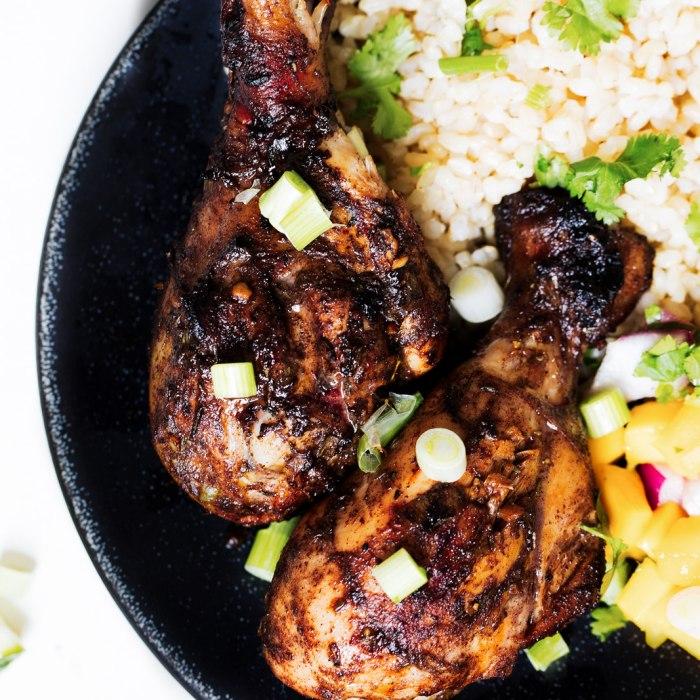
To make the jerk marinade, combine all the ingredients in a food processor along with 1 tsp salt, and blend to a purée. If you’re having trouble getting it to blend, just keep turning off the blender, stirring the mixture, and trying again. Eventually it will start to blend up – don’t be tempted to add water, as you want a thick paste.
Taste the jerk mixture for seasoning – it should taste pretty salty, but not unpleasantly, puckering salty. You can now throw in more chillies if it’s not spicy enough for you. If it tastes too salty and sour, try adding in a bit more brown sugar until the mixture tastes well balanced.
Make a few slashes in the chicken thighs and pour the marinade over the meat, rubbing it into all the crevices. Cover and leave to marinate overnight in the fridge.
If you want to barbecue your chicken, get the coals burning 1 hr or so before you’re ready to cook. Authentic jerked meats are not exactly grilled as we think of grilling, but sort of smoke-grilled. To get a more authentic jerk experience, add some wood chips to your barbecue, and cook your chicken over slow, indirect heat for 30 mins. To cook in the oven, heat to 180C/160C fan/gas 4. Put the chicken pieces in a roasting tin with the lime halves and cook for 45 mins until tender and cooked through.
While the chicken is cooking, prepare the rice & peas. Rinse the rice in plenty of cold water, then tip it into a large saucepan with all the remaining ingredients except the kidney beans. Season with salt, add 300ml cold water and set over a high heat. Once the rice begins to boil, turn it down to a medium heat, cover and cook for 10 mins.
Add the beans to the rice, then cover with a lid. Leave off the heat for 5 mins until all the liquid is absorbed. Squeeze the roasted lime over the chicken and serve with the rice & peas, and some hot sauce if you like it really spicy.
Get to know what goes into your recipe. Select an ingredient to explore it.
A LITTLE HELP ALONG THE WAY
A CLOSER LOOK AT YOUR RECIPE
Partial recipe · included ingredients only
The source does not provide a verified serving count. The summary uses original recipe quantities before any batch multiplier, not per serving. Enter your own serving count in the full label to see per-serving amounts.
Calculated automatically from 10 of 20 ingredients. This is an incomplete subtotal, not the full recipe’s nutrition.
Standard USDA sizes assumed for Onion. Exact portions and food assumptions are listed below.
Vegetable Oil assumption: Unspecified cooking oil is estimated as USDA soybean cooking oil. The full measured amount is included; fatty-acid composition can differ with the actual oil type.
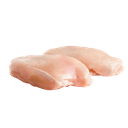
Not included: Chicken Thighs, Lime, Spring Onions, Ginger, Red Chilli, Thyme, Lime, Brown Sugar, Spring Onions, Thyme.
Estimated subtotal · included ingredients only
10 of 20 ingredients included. Excluded ingredients are not counted in the amounts or % Daily Values.
Serving count is unknown. Amounts and % Daily Values below apply to the whole original recipe’s included ingredients.
Amount per original recipe
| Amount per original recipe | % Daily Value* |
|---|---|
| Total Fat 121.8 g | 156% |
| Saturated Fat 81.6 g | 408% |
| Trans Fat Unavailable | — |
| Cholesterol 0 mg | 0% |
| Sodium 2,025.7 mg | 88% |
| Total Carbohydrate 671.5 g | 244% |
| Dietary Fiber Unavailable | — |
| Total Sugars Unavailable | — |
| Includes Added Sugars Unavailable | — |
| Protein 215.9 g | — |
| Vitamin D 0 µg | 0% |
| Calcium 1,401.7 mg | 108% |
| Iron 82.1 mg | 456% |
| Potassium 12,762.9 mg | 272% |
A nutrient amount is unavailable when any included ingredient lacks that source value.
* Percent Daily Values use FDA reference values for adults and children aged 4 and over, based on a 2,000 calorie diet. They apply to the amount shown above.
— means no % Daily Value is shown. Trans fat and total sugars have no established Daily Value; protein %DV is omitted because protein-quality data is unavailable. Missing nutrient amounts are not treated as zero.
Daily Value reference: FDA ↗Excluded: No quantifiable edible weight or reliable USDA food match is available.
Excluded: A count without a size or portion unit needs grams.
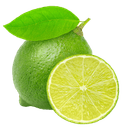
Estimate uses USDA Limes, raw. Quantities refer to edible ingredient weight; brands, varieties and preparation can change the values. USDA source ↗
Excluded: This measure needs an edible gram weight.
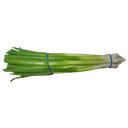
Estimate uses USDA Onions, spring or scallions (includes tops and bulb), raw. Quantities refer to edible ingredient weight; brands, varieties and preparation can change the values. USDA source ↗
Excluded: No unambiguous USDA portion weight matches this measure.
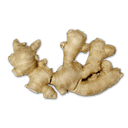
Raw ginger root, not ground dried ginger. USDA source ↗
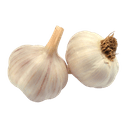
9 g edible ingredient. USDA portion: 1 clove = 3 g.
Raw peeled garlic. A bare count is not assumed to mean cloves. USDA source ↗
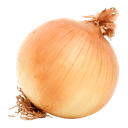
55 g edible ingredient. Standard size assumed: 0.5 × USDA medium (2-1/2" dia); 1 portion = 110 g.
Onions are estimated using USDA raw onions. Red and other onion varieties can differ. USDA source ↗
Excluded: No unambiguous USDA portion weight matches this measure.
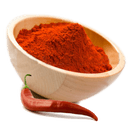
Estimate uses USDA Peppers, hot chili, red, raw. Quantities refer to edible ingredient weight; brands, varieties and preparation can change the values. USDA source ↗
Excluded: No quantifiable edible weight or reliable USDA food match is available.
Excluded: Ranges and descriptive amounts need a gram weight.
Estimate uses USDA Limes, raw. Quantities refer to edible ingredient weight; brands, varieties and preparation can change the values. USDA source ↗
32 g edible ingredient. USDA portion: 1 tbsp = 16 g.
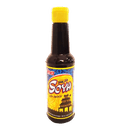
Estimate uses USDA Soy sauce made from soy and wheat (shoyu). Quantities refer to edible ingredient weight; brands, varieties and preparation can change the values. USDA source ↗
27.2 g edible ingredient. USDA portion: 1 tbsp = 13.6 g.
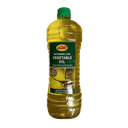
Unspecified cooking oil is estimated as USDA soybean cooking oil. The full measured amount is included; fatty-acid composition can differ with the actual oil type. USDA source ↗
Excluded: No unambiguous USDA portion weight matches this measure.
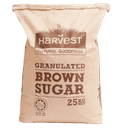
Estimate uses USDA Sugars, brown. Quantities refer to edible ingredient weight; brands, varieties and preparation can change the values. USDA source ↗
6 g edible ingredient. USDA portion: 1 tbsp = 6 g.
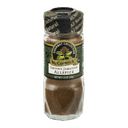
Estimate uses USDA Spices, allspice, ground. Quantities refer to edible ingredient weight; brands, varieties and preparation can change the values. USDA source ↗
200 g edible ingredient. Converted from 200g using a mass unit.
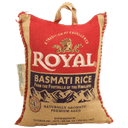
Rice is treated as dry uncooked long-grain white rice. Basmati and other varieties may differ. USDA source ↗
400 g edible ingredient. Converted from 400g using a mass unit.
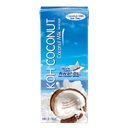
Coconut milk is estimated as canned full-fat coconut milk, not a diluted coconut beverage. USDA source ↗
Excluded: This measure needs an edible gram weight.
Estimate uses USDA Onions, spring or scallions (includes tops and bulb), raw. Quantities refer to edible ingredient weight; brands, varieties and preparation can change the values. USDA source ↗
Excluded: No quantifiable edible weight or reliable USDA food match is available.
6 g edible ingredient. USDA portion: 1 clove = 3 g.
Raw peeled garlic. A bare count is not assumed to mean cloves. USDA source ↗
6 g edible ingredient. USDA portion: 1 tbsp = 6 g.
Estimate uses USDA Spices, allspice, ground. Quantities refer to edible ingredient weight; brands, varieties and preparation can change the values. USDA source ↗
800 g edible ingredient. Converted from 800g using a mass unit.
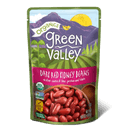
Estimate uses USDA Beans, kidney, all types, mature seeds, raw. Use edible ingredient quantities; variety, preparation and brands can differ. USDA source ↗
Values use ingredient nutrients per 100 g and food-specific USDA portion weights. Cups, tablespoons and teaspoons use US measures. Pinches, handfuls, “to taste” and unspecified package sizes are excluded. Common counted foods use the stated size or a documented standard USDA portion when a count is supplied; these assumptions are identified above. Other unspecified counts remain excluded.
Assumes included ingredients are retained. Cooking losses, drained liquids, discarded oil, alcohol evaporation and changes in water content are not modeled. Missing nutrient values are shown as unavailable, not zero.
Source: USDA FoodData Central. Data retrieved . These are automatically calculated estimates, not a laboratory analysis.
KEEP THE INSPIRATION GOING
A few more ideas from the kitchen.
Side / Turkish
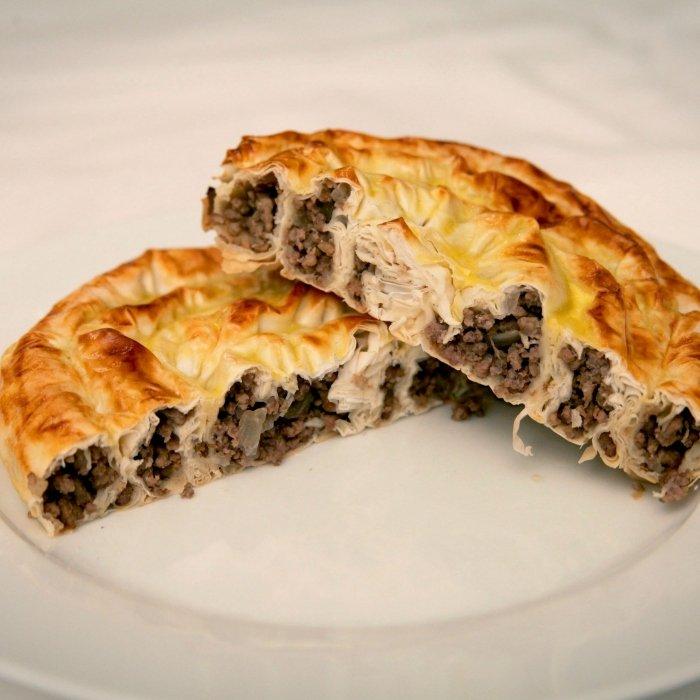
Side / Croatian
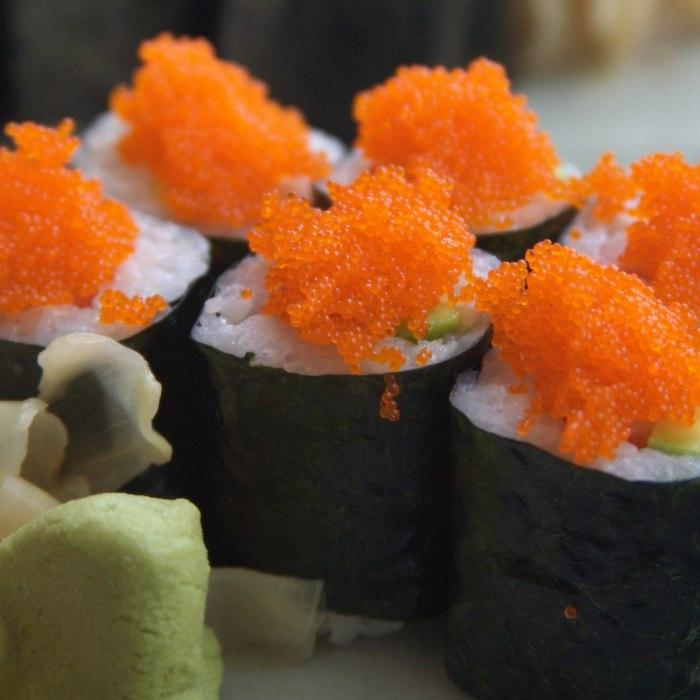
Seafood / Japanese
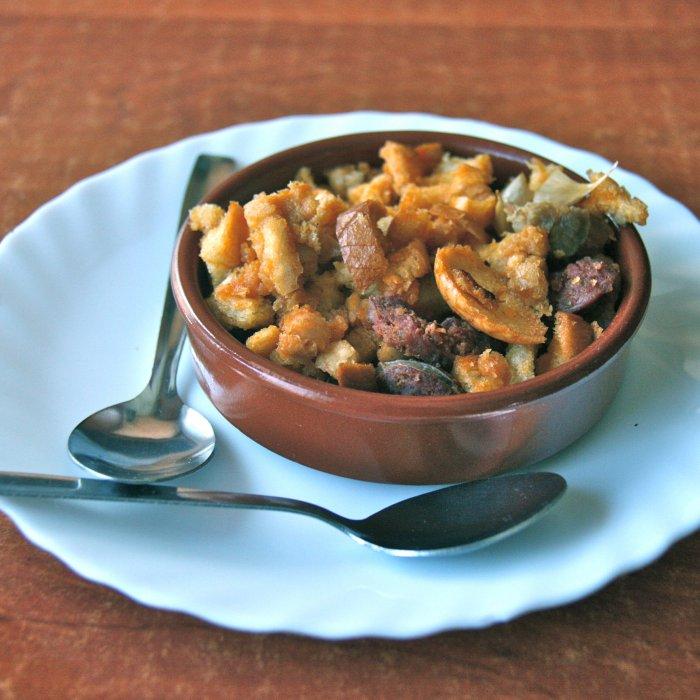
Miscellaneous / Spanish
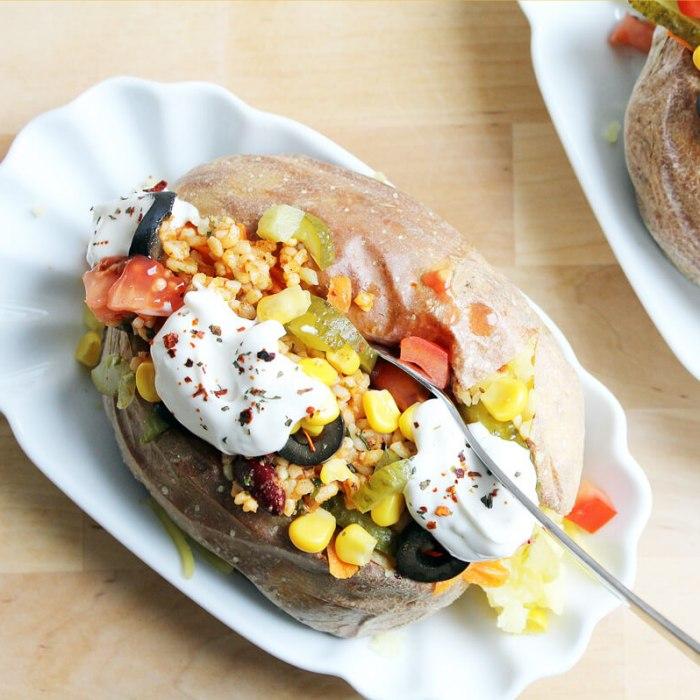
Side / Turkish
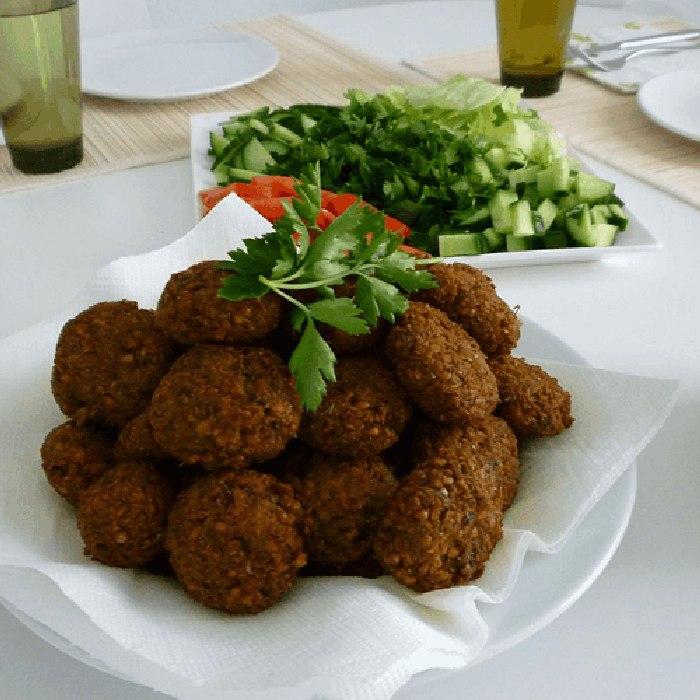
Vegetarian / Egyptian
PICK UP WHERE YOU LEFT OFF
Your recent discoveries will appear here as you explore.