





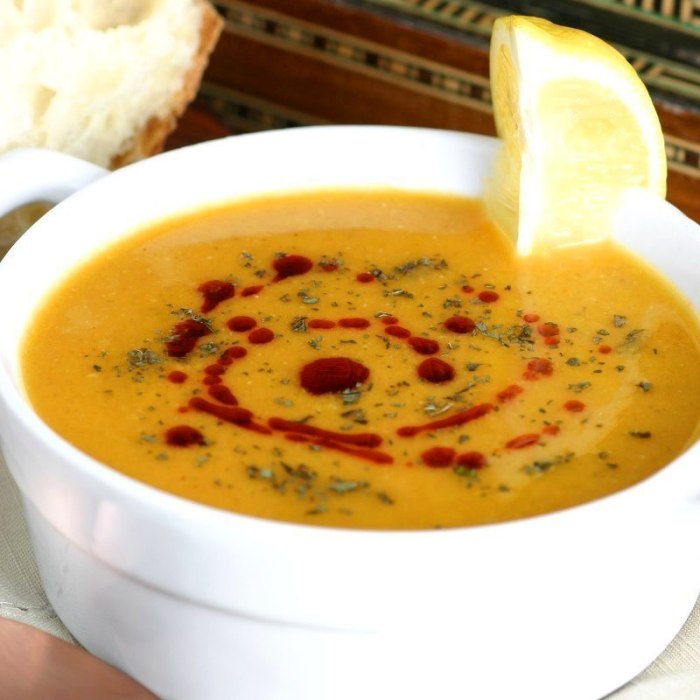
Side / Turkish
Gathering ingredients and inspiration.
 FROM THE PRISCY KITCHEN
SOMETHING WORTH COOKING
A little inspiration for your table. Gather your ingredients and make this recipe your next kitchen discovery.
GET EVERYTHING READY
Tick off each ingredient as you prepare.
0 of 14 ingredients ready
LET’S MAKE SOMETHING GOOD
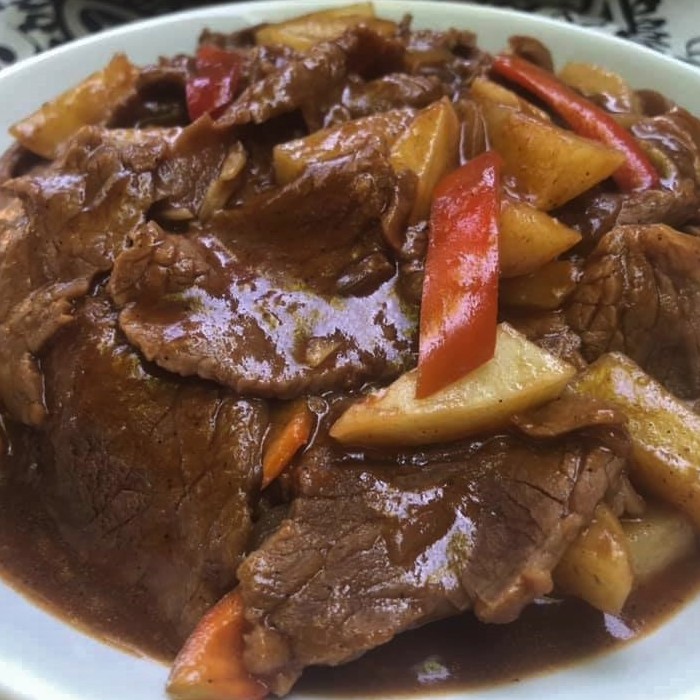
0. Combine beef, crushed peppercorn, soy sauce, vinegar, dried bay leaves, lemon, and tomato sauce. Mix well. Marinate beef for at least 30 minutes.
1. Put the marinated beef in a cooking pot along with remaining marinade. Add water. Let boil.
2. Add Knorr Beef Cube. Stir. Cover the pot and cook for 40 minutes in low heat.
3. Turn the beef over. Add tomato paste. Continue cooking until beef tenderizes. Set aside.
4. Heat oil in a pan. Fry the potato until it browns. Turn over and continue frying the opposite side. Remove from the pan and place on a clean plate. Do the same with the carrots.
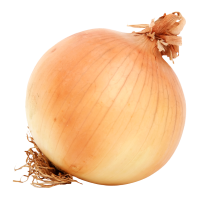
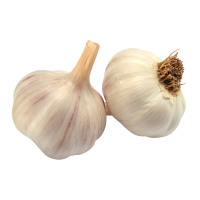
5. Save 3 tablespoons of cooking oil from the pan where the potato was fried. Saute onion and garlic until onion softens.
6. Pour-in the sauce from the beef stew. Let boil. Add the beef. Cook for 2 minutes.
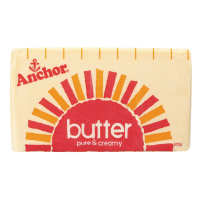
7. Add butter and let it melt. Continue cooking until the sauce reduces to half.
Get to know what goes into your recipe. Select an ingredient to explore it.
A LITTLE HELP ALONG THE WAY
A CLOSER LOOK AT YOUR RECIPE
Partial recipe · included ingredients only
The source does not provide a verified serving count. The summary uses original recipe quantities before any batch multiplier, not per serving. Enter your own serving count in the full label to see per-serving amounts.
Calculated automatically from 9 of 14 ingredients. This is an incomplete subtotal, not the full recipe’s nutrition.
Standard USDA sizes assumed for Lemon, Onion. Exact portions and food assumptions are listed below.
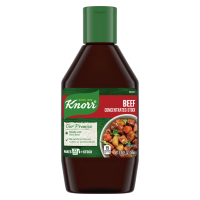
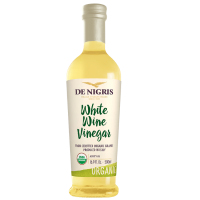
Not included: Beef Stock Concentrate, White Wine Vinegar, Pepper, Bay Leaf, Tomato Sauce.
Estimated subtotal · included ingredients only
9 of 14 ingredients included. Excluded ingredients are not counted in the amounts or % Daily Values.
Serving count is unknown. Amounts and % Daily Values below apply to the whole original recipe’s included ingredients.
Amount per original recipe
| Amount per original recipe | % Daily Value* |
|---|---|
| Total Fat 360.7 g | 462% |
| Saturated Fat 127.7 g | 639% |
| Trans Fat Unavailable | — |
| Cholesterol 1,171.6 mg | 391% |
| Sodium 6,498.6 mg | 283% |
| Total Carbohydrate 64.6 g | 23% |
| Dietary Fiber 13 g | 46% |
| Total Sugars 33.5 g | — |
| Includes Added Sugars Unavailable | — |
| Protein 320.4 g | — |
| Vitamin D 1.5 µg | 8% |
| Calcium 455.5 mg | 35% |
| Iron 34.7 mg | 193% |
| Potassium 7,222.4 mg | 154% |
A nutrient amount is unavailable when any included ingredient lacks that source value.
* Percent Daily Values use FDA reference values for adults and children aged 4 and over, based on a 2,000 calorie diet. They apply to the amount shown above.
— means no % Daily Value is shown. Trans fat and total sugars have no established Daily Value; protein %DV is omitted because protein-quality data is unavailable. Missing nutrient amounts are not treated as zero.
Daily Value reference: FDA ↗1,500 g edible ingredient. Converted from 1.5kg using a mass unit.
Generic beef uses USDA raw composite retail cuts with lean and fat. Cut, trimming and fat content can change the estimate substantially. USDA source ↗
Excluded: No quantifiable edible weight or reliable USDA food match is available.
226.796 g edible ingredient. Converted from 8 ounces using a mass unit.
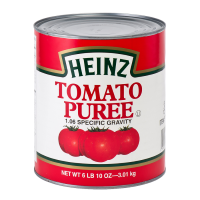
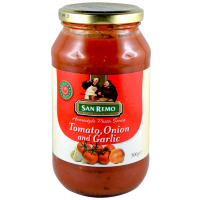
Tomato purée in these recipes is treated as concentrated tomato paste without added salt; a thinner passata or salted product has different values. USDA source ↗
709.765 g edible ingredient. Converted with US volume units from USDA 1 liter = 1000 g.
Water and ice contribute no macronutrients. Unspecified ice quantity is excluded. USDA source ↗
96 g edible ingredient. USDA portion: 1 tbsp = 16 g.
Estimate uses USDA Soy sauce made from soy and wheat (shoyu). Quantities refer to edible ingredient weight; brands, varieties and preparation can change the values. USDA source ↗
Excluded: No quantifiable edible weight or reliable USDA food match is available.
Excluded: No unambiguous USDA portion weight matches this measure.
Estimate uses USDA Spices, pepper, black. Quantities refer to edible ingredient weight; brands, varieties and preparation can change the values. USDA source ↗
Excluded: A count without a size or portion unit needs grams.
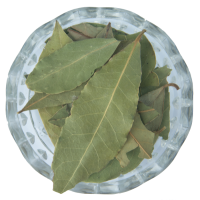
Estimate uses USDA Spices, bay leaf. Quantities refer to edible ingredient weight; brands, varieties and preparation can change the values. USDA source ↗
29 g edible ingredient. Standard size assumed: 0.5 × USDA fruit (2-1/8" dia); 1 portion = 58 g.
Edible lemon flesh without peel. Lemon juice needs its own food mapping. USDA source ↗
Excluded: No quantifiable edible weight or reliable USDA food match is available.
42.6 g edible ingredient. USDA portion: 1 tbsp = 14.2 g.
Unspecified butter is estimated as salted butter. Salt content and fat vary by product. USDA source ↗
108 g edible ingredient. USDA portion: 1 cup = 216 g.
Estimate uses USDA Oil, olive, salad or cooking. Quantities refer to edible ingredient weight; brands, varieties and preparation can change the values. USDA source ↗
110 g edible ingredient. Standard size assumed: 1 × USDA medium (2-1/2" dia); 1 portion = 110 g.
Onions are estimated using USDA raw onions. Red and other onion varieties can differ. USDA source ↗
12 g edible ingredient. USDA portion: 1 clove = 3 g.
Raw peeled garlic. A bare count is not assumed to mean cloves. USDA source ↗
Values use ingredient nutrients per 100 g and food-specific USDA portion weights. Cups, tablespoons and teaspoons use US measures. Pinches, handfuls, “to taste” and unspecified package sizes are excluded. Common counted foods use the stated size or a documented standard USDA portion when a count is supplied; these assumptions are identified above. Other unspecified counts remain excluded.
Assumes included ingredients are retained. Cooking losses, drained liquids, discarded oil, alcohol evaporation and changes in water content are not modeled. Missing nutrient values are shown as unavailable, not zero.
Source: USDA FoodData Central. Data retrieved . These are automatically calculated estimates, not a laboratory analysis.
KEEP THE INSPIRATION GOING
A few more ideas from the kitchen.
Side / Turkish
Side / Croatian
Seafood / Japanese
Miscellaneous / Spanish
Side / Turkish
Vegetarian / Egyptian
PICK UP WHERE YOU LEFT OFF
Your recent discoveries will appear here as you explore.